
Lot : 58
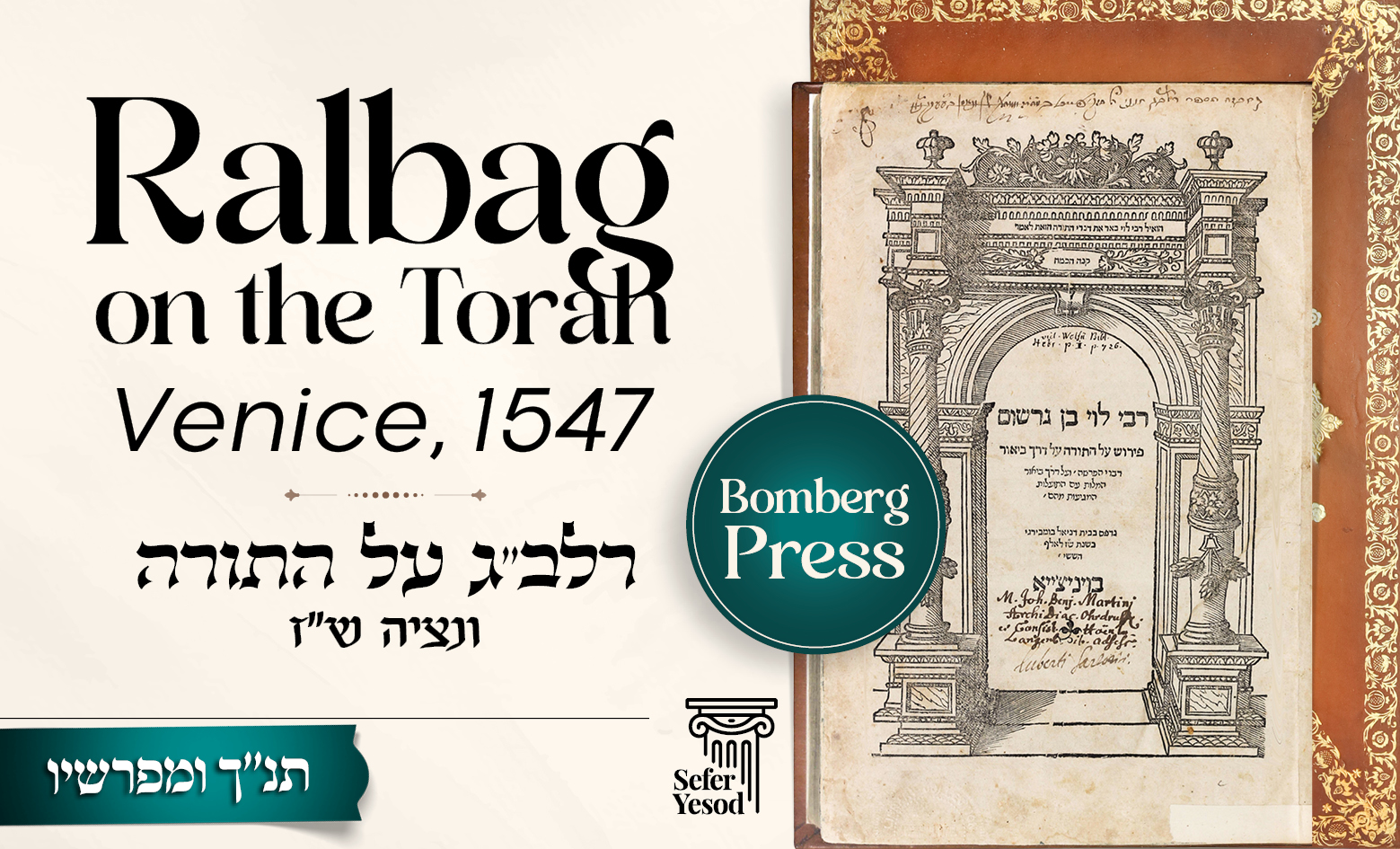
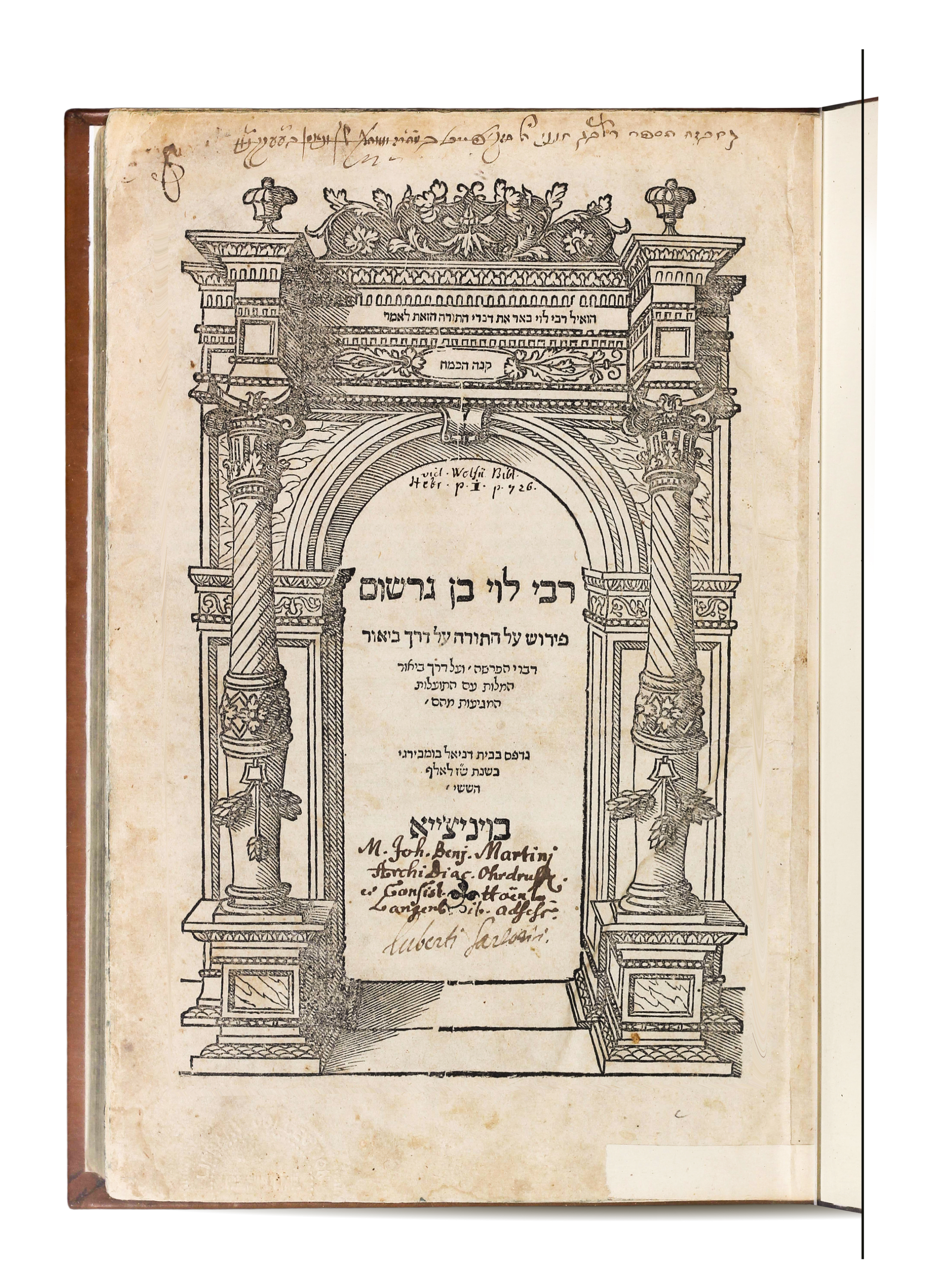
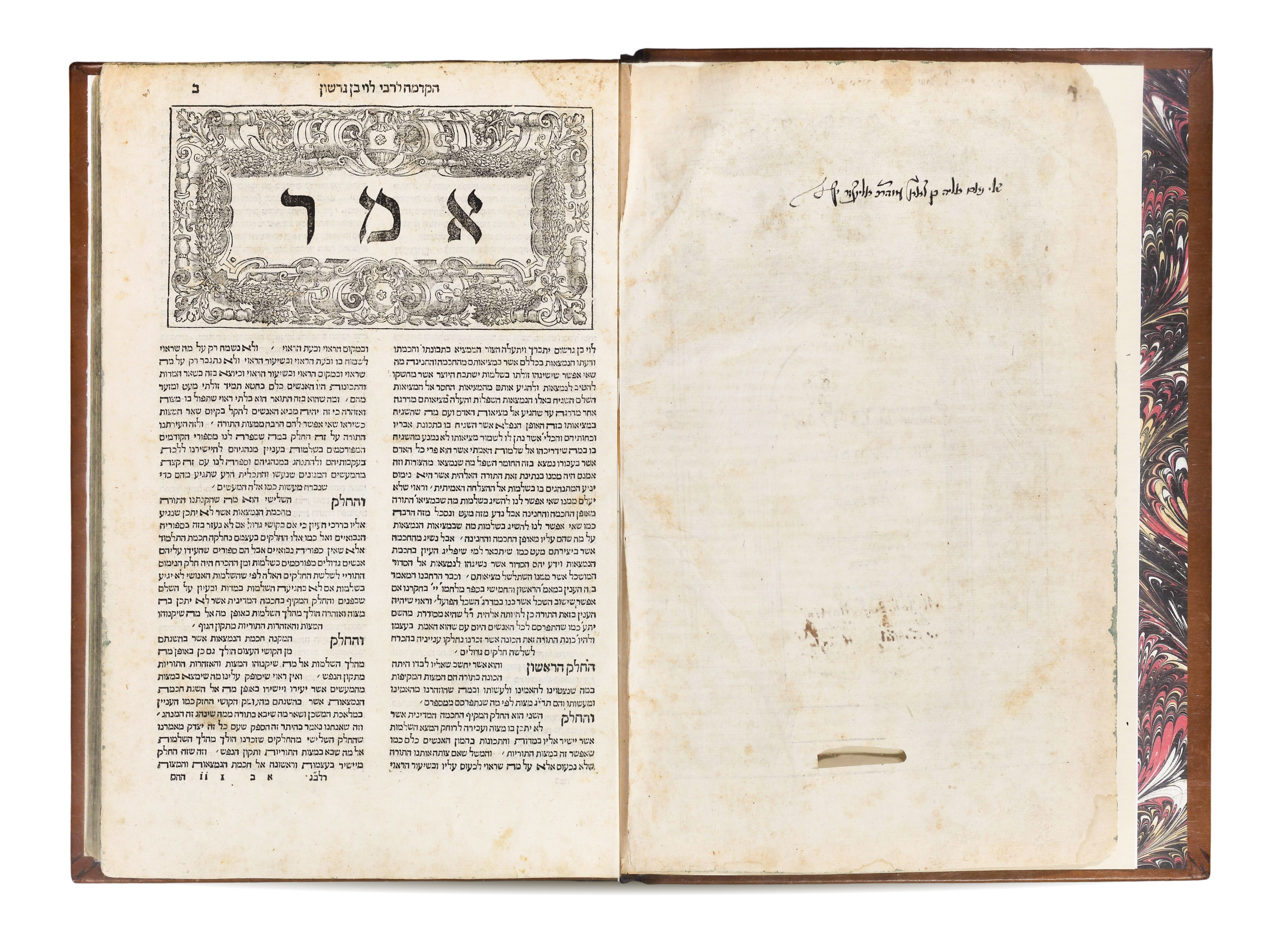
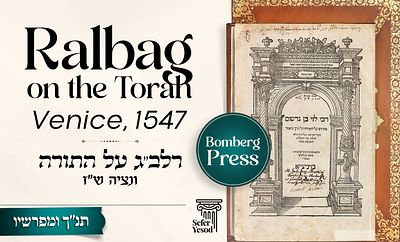
Ralbag’s commentary on the Torah was first printed in Mantua around 1476, making it one of the earliest works produced during the era of Hebrew incunabula.
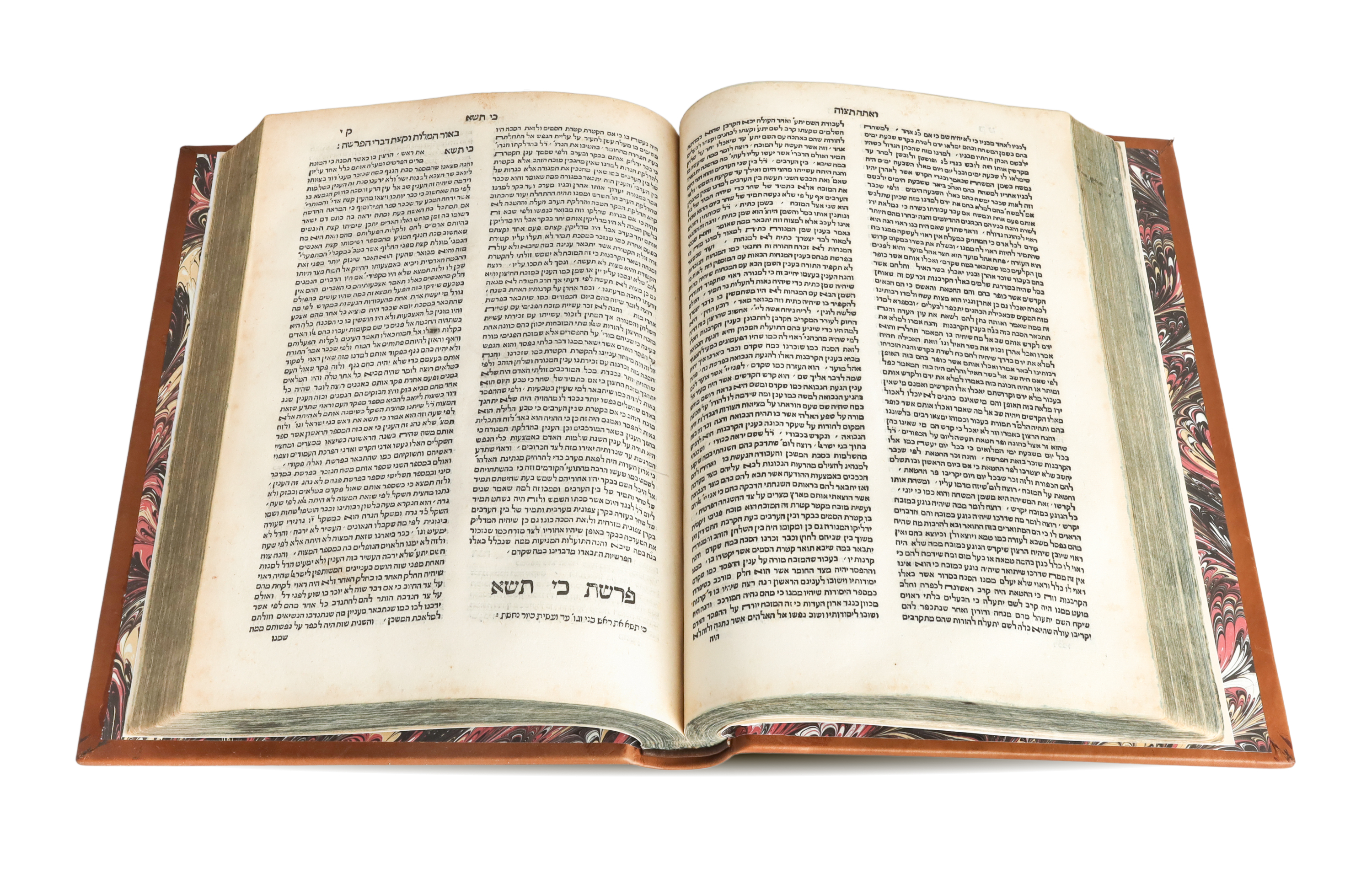
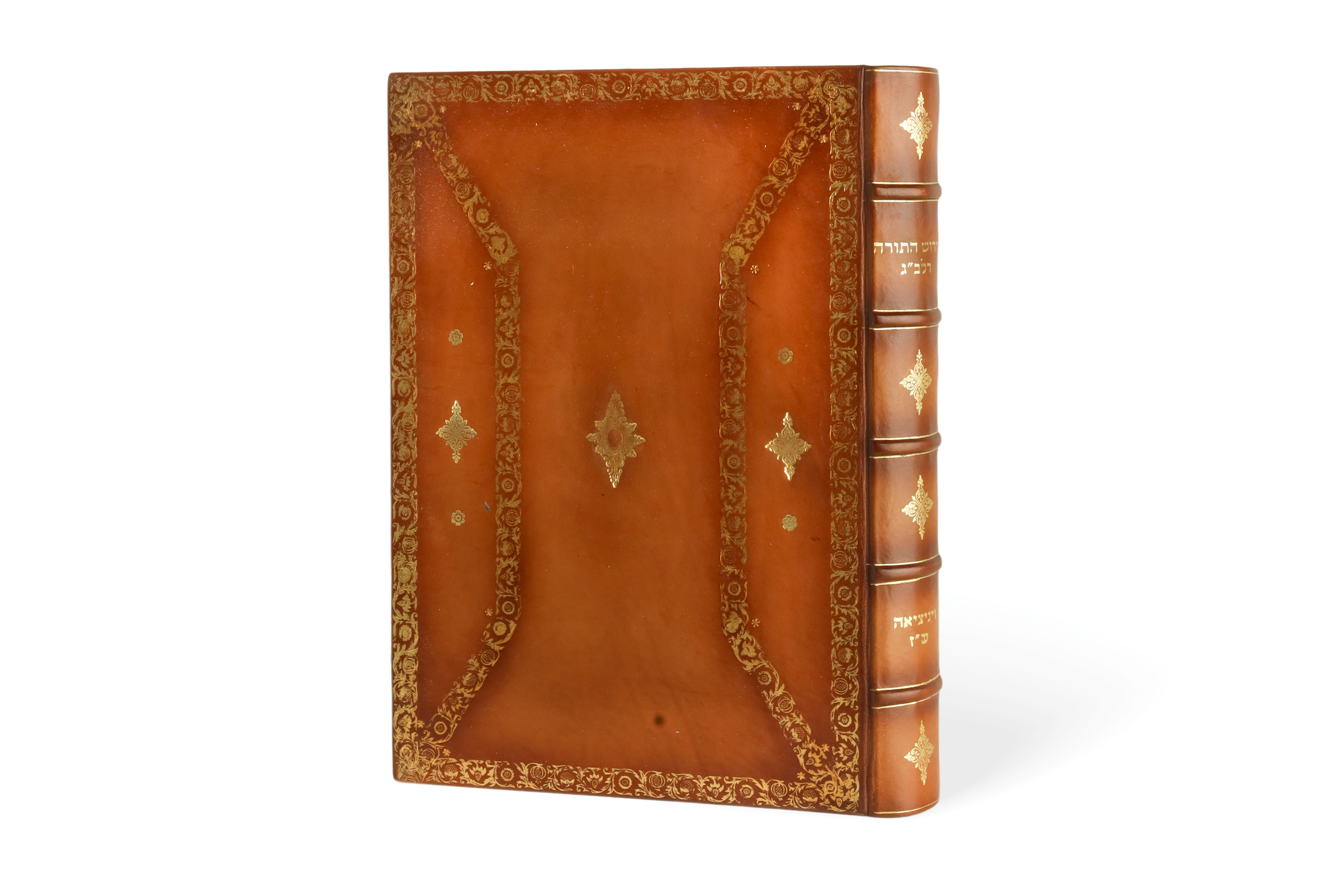
The present edition is the second edition of the work and became the standard text used by generations of scholars. It served as the primary source for the editors of the Mosad Harav Kook edition (Jerusalem, 1992).
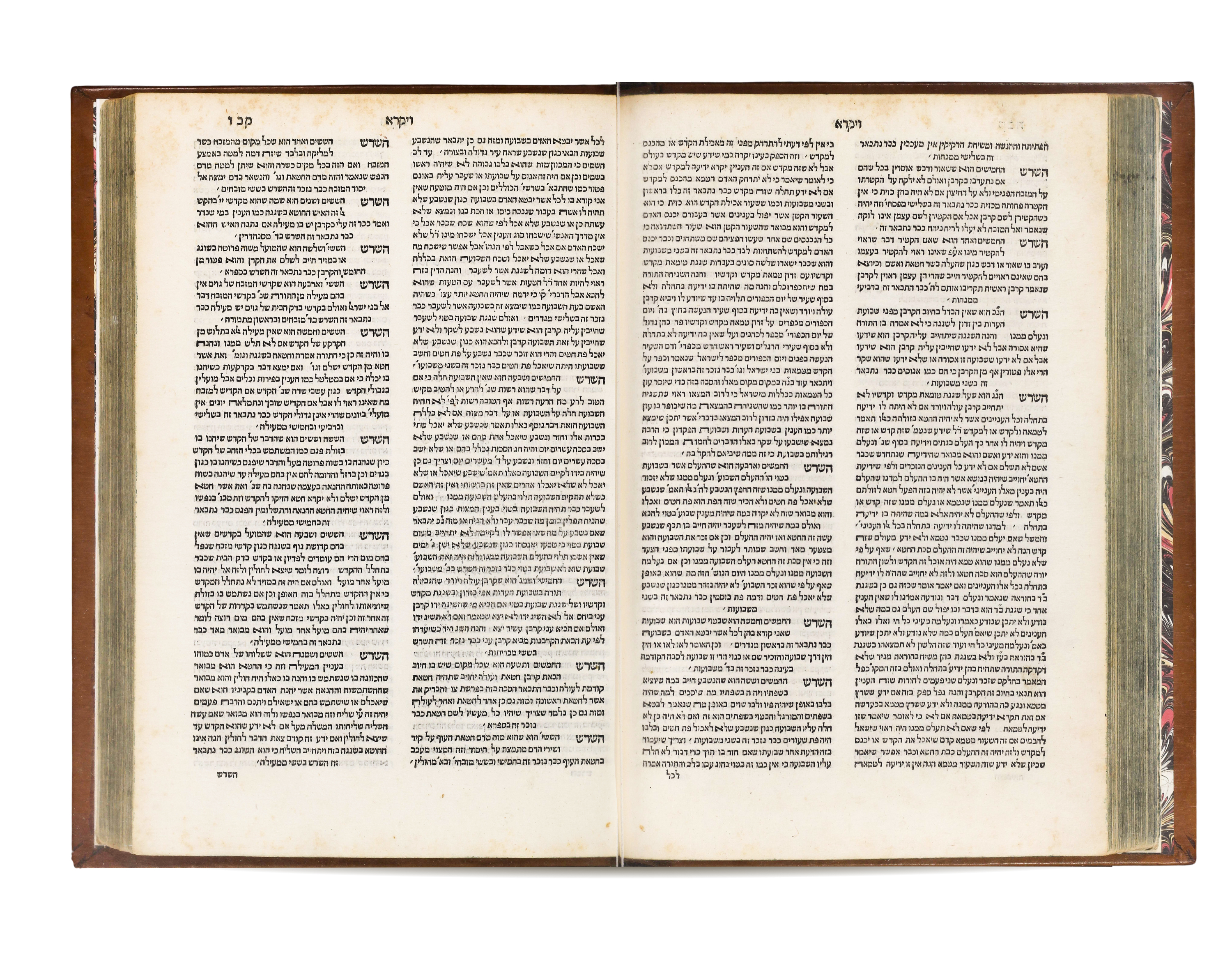
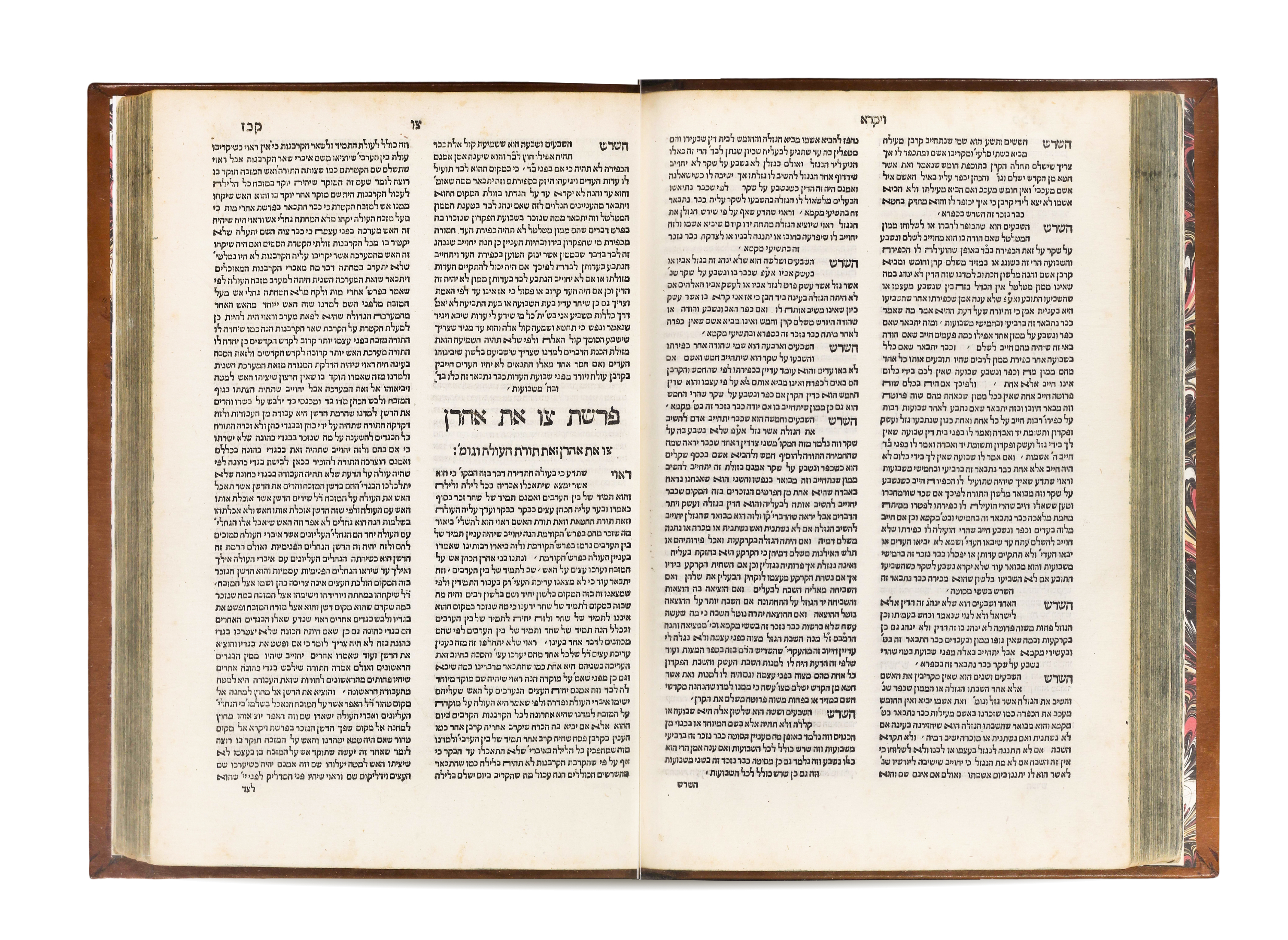
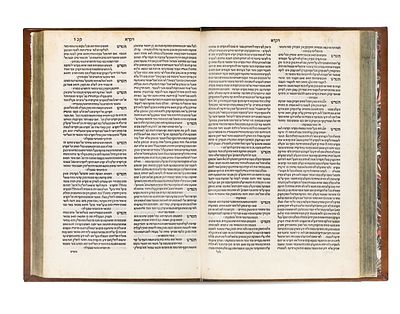
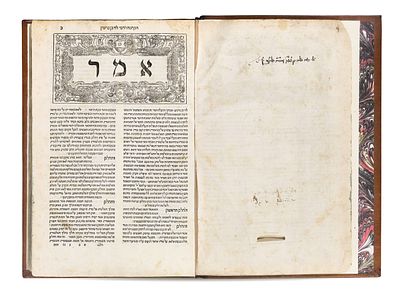
The Venice edition is considerably more accessible to the student than the Mantua printing. Many abbreviations found in the earlier edition were expanded, and the text was printed in standard square Hebrew type rather than the distinctive semi-cursive Ashkenazic script used in the Mantua edition — a script unfamiliar to many non-Ashkenazic Jews.
Rabbi Levi ben Gershom (1288–1344), one of the great sages of Provence and among the foremost commentators on Tanach, was described as someone who was “well versed in the Talmud and composed a beautiful commentary on the Torah and Nevi’im” (Shu”t HaRivash, Ch. 45). The Malbim likewise praised him, writing: “Who among those who labor in Torah and wisdom does not know the greatness of the Ralbag and his profound scholarship?”
In the sefer Shaarei Tzion, written not long after the Ralbag’s lifetime, he is extolled in remarkable terms: “The great Rav, exalted above all others, Rabbi Levi, son of the great Rabbi Gershom… explained the entire Written and Oral Torah and expounded wondrous insights in every field of wisdom… His commentary on the Written Torah is exceptionally distinguished, though its true greatness is appreciated only by a select few” (Yaroslav, 1885, p. 48).