Lot : 79

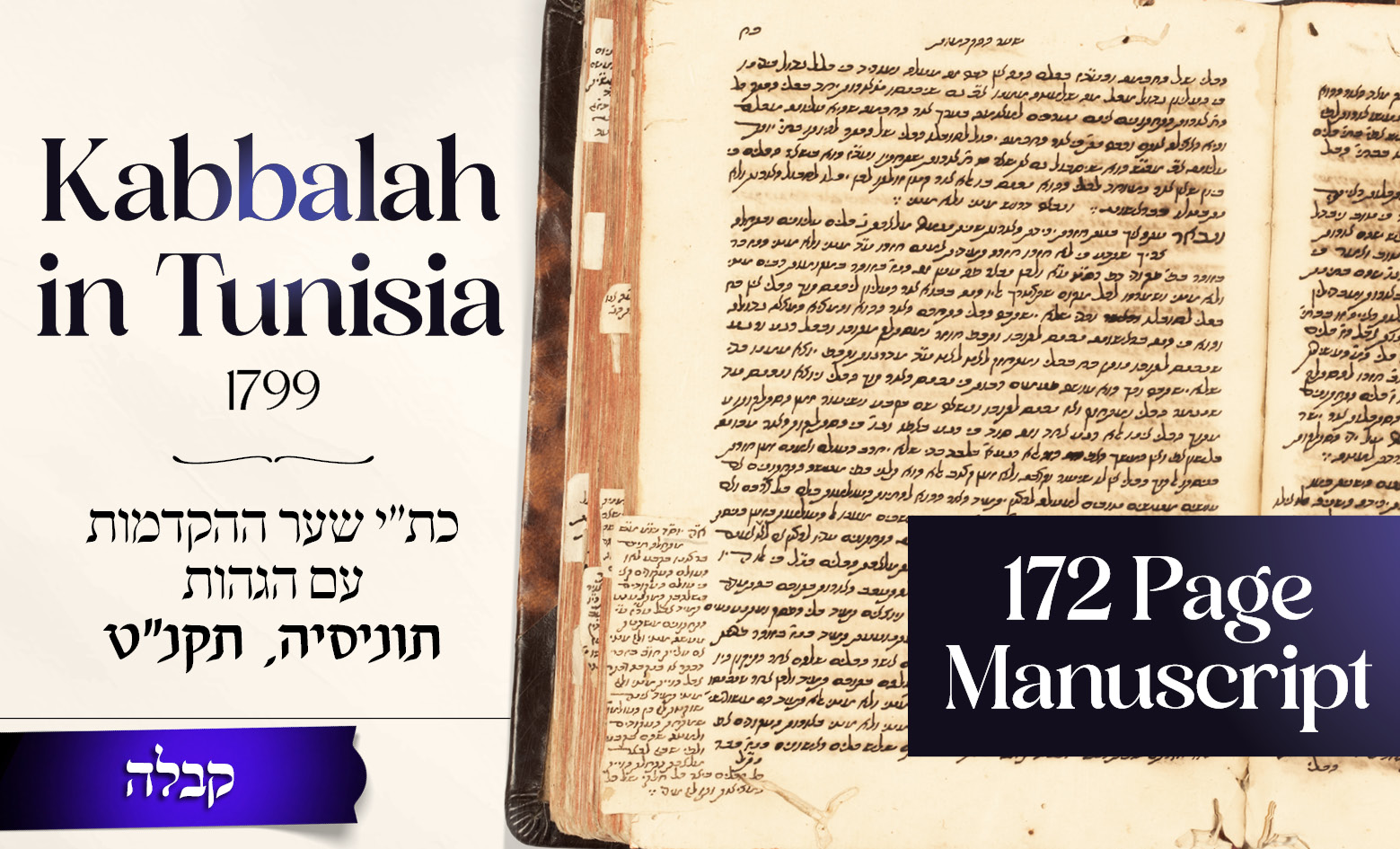
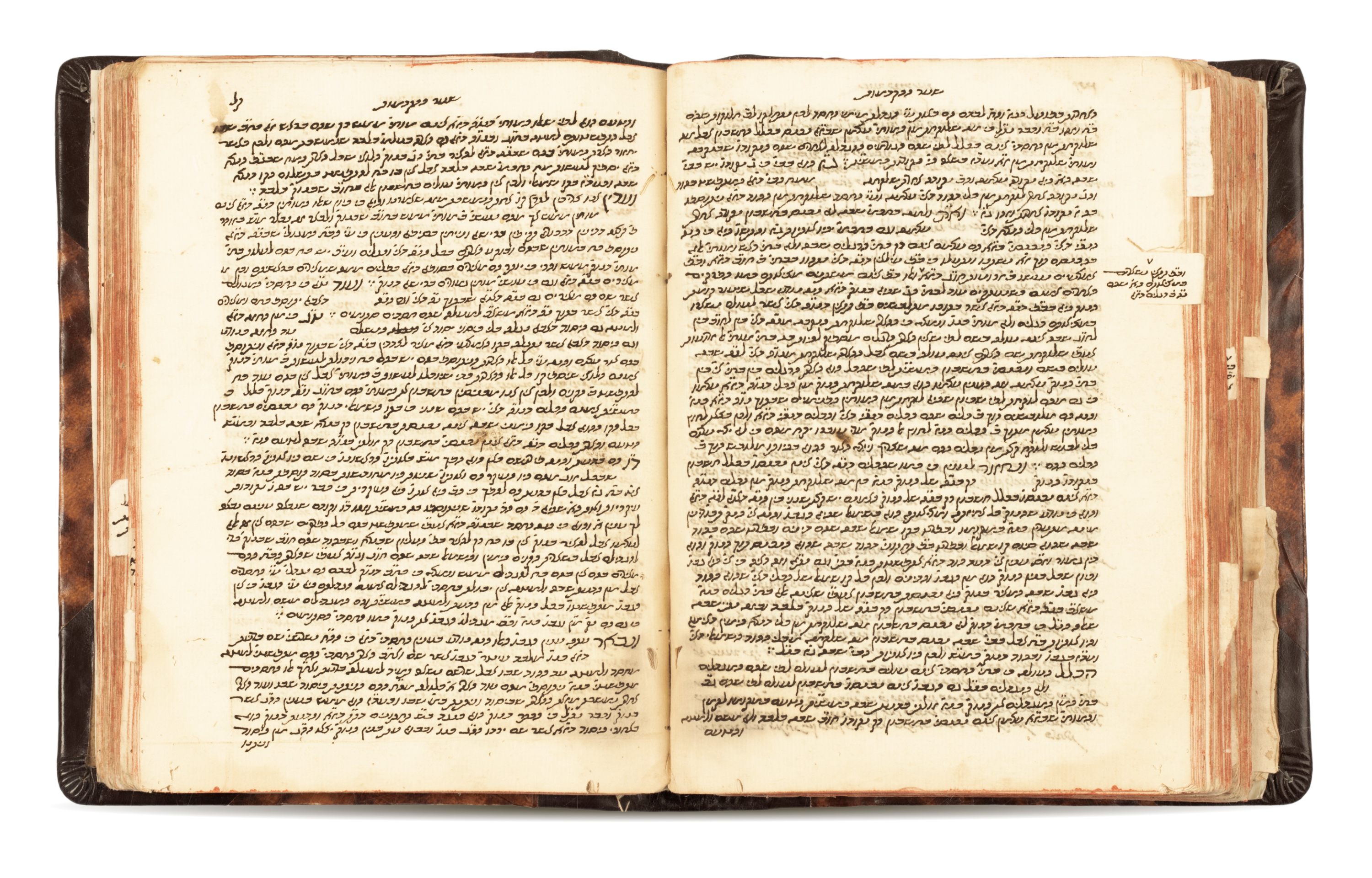
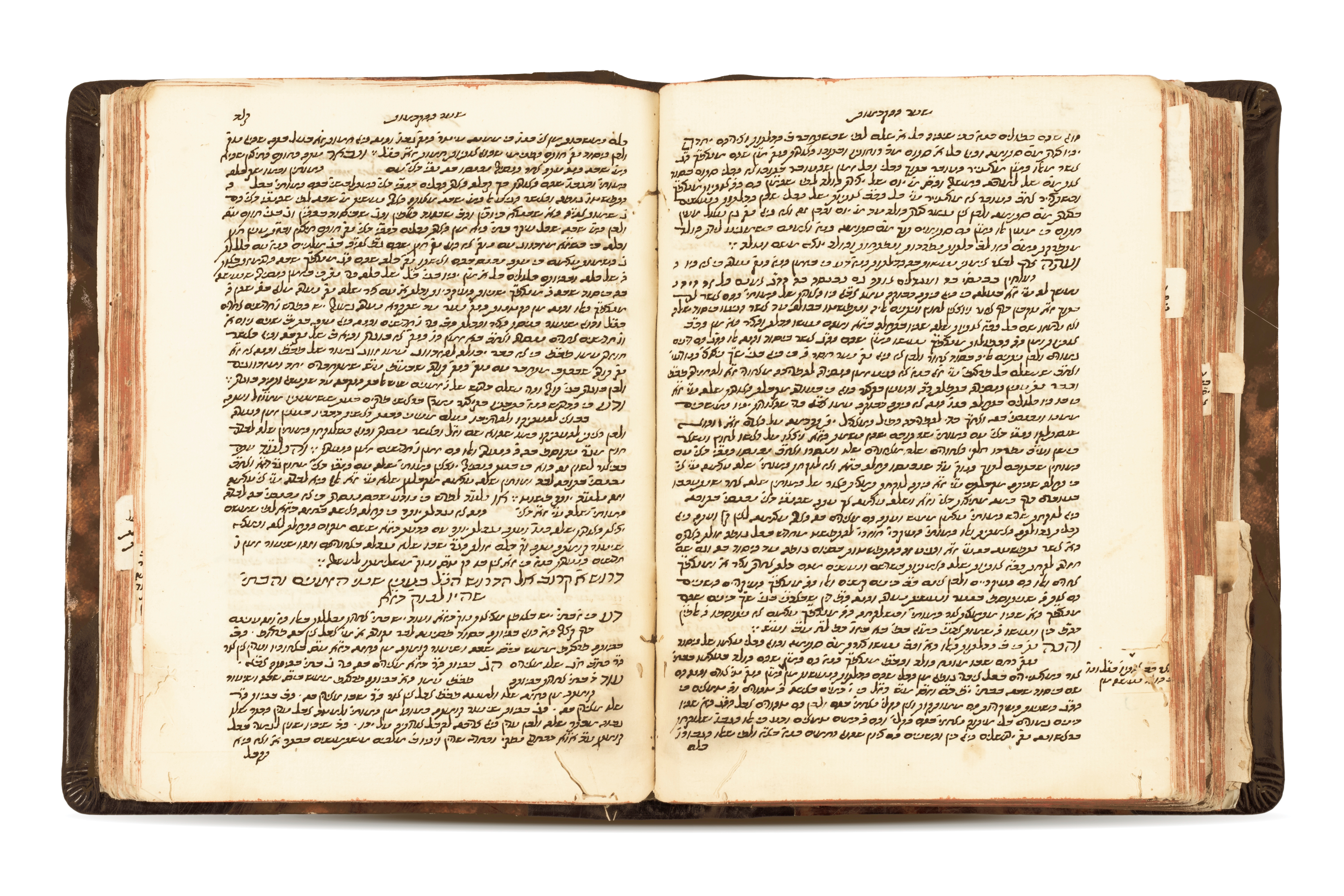
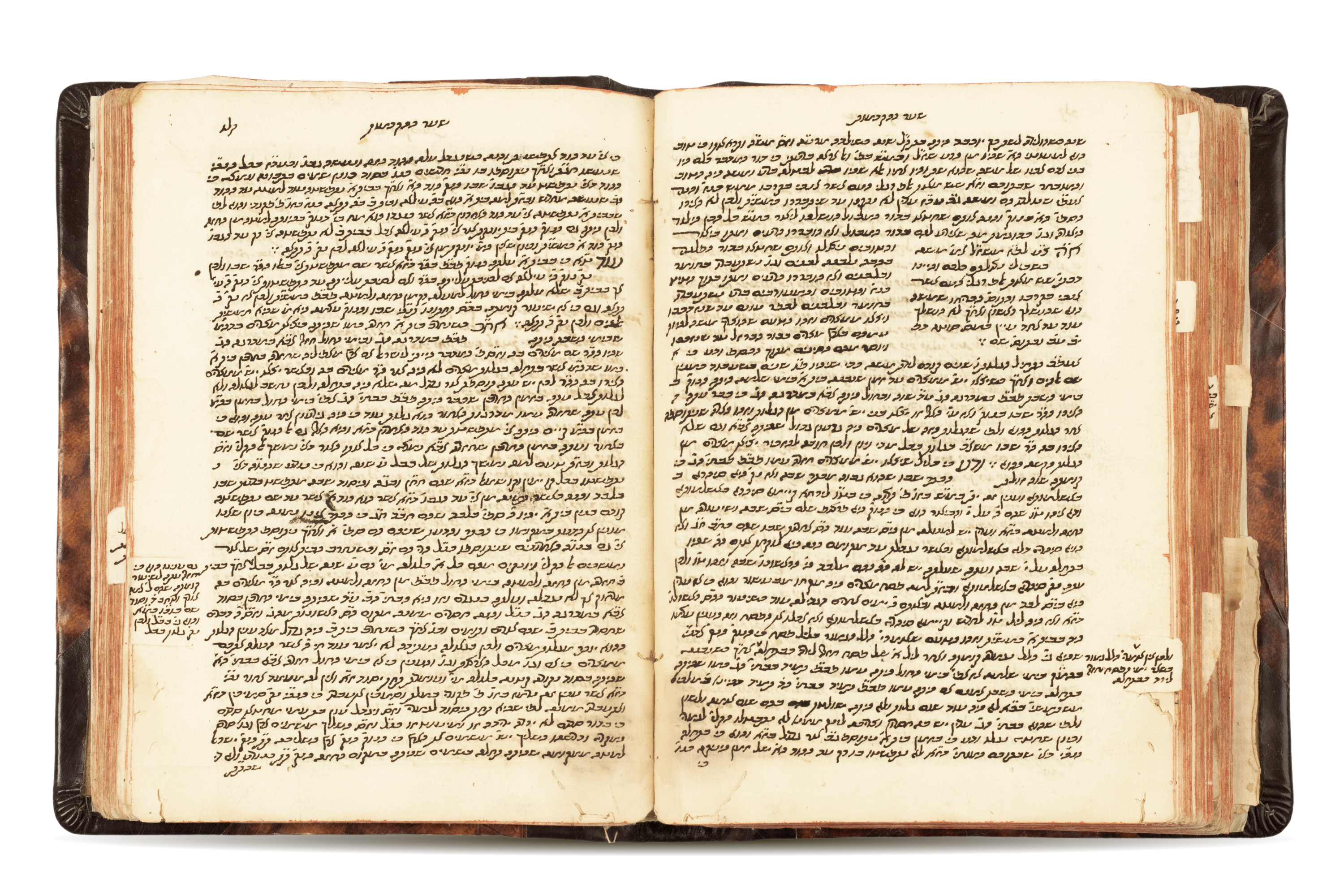
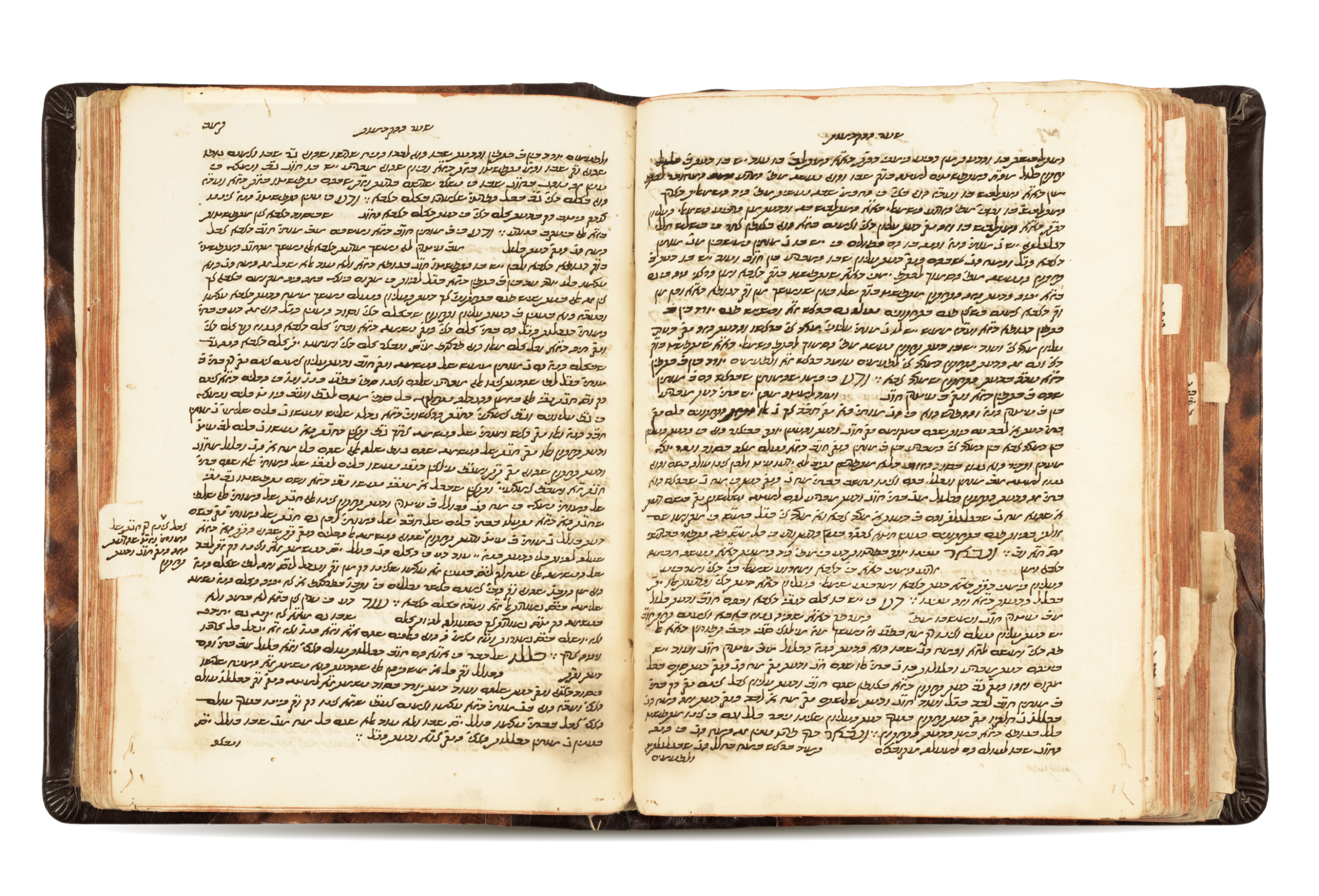
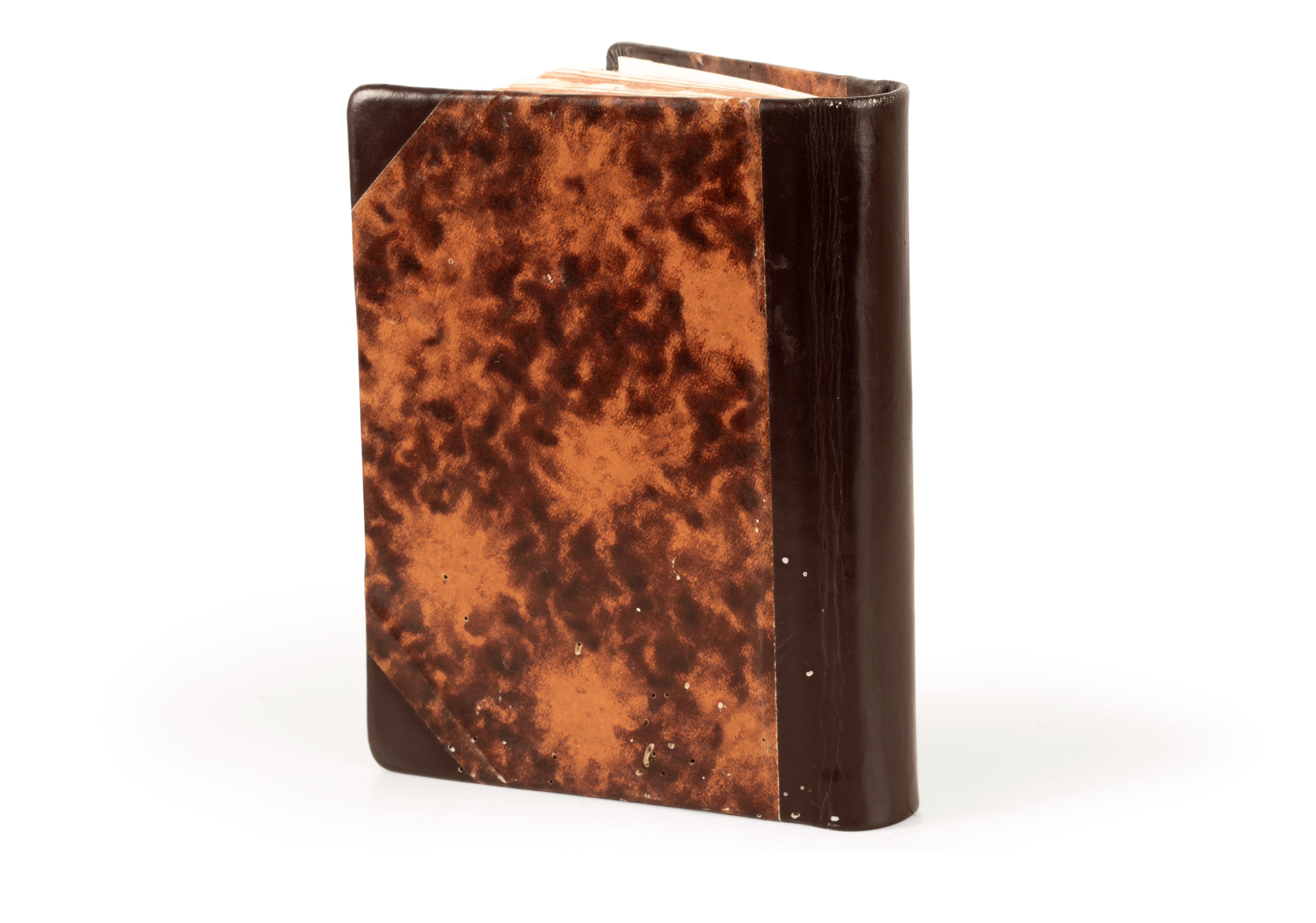
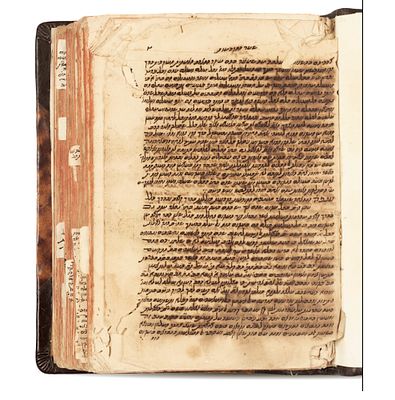
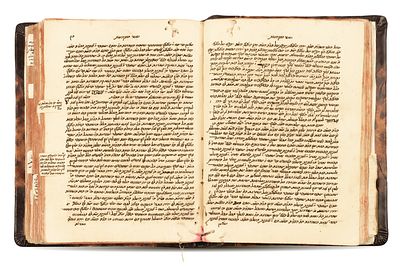
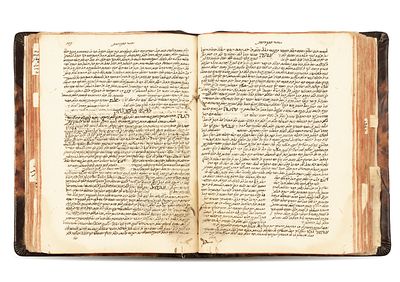
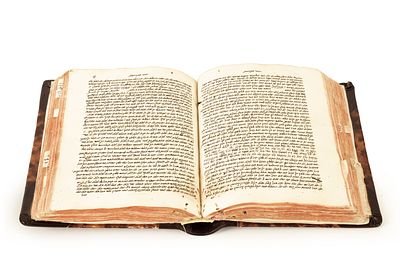
Shaar HaHakdamos in the Original Order of Rabbi Chaim Vital – Handwritten by Tunisian Sage Rabbi Eliyahu Lumbroso – With New Glosses – 1799

Lot : 79

Shaar HaHakdamos in the Original Order of Rabbi Chaim Vital – Handwritten by Tunisian Sage Rabbi Eliyahu Lumbroso – With New Glosses – 1799

Opening bid: $4,000

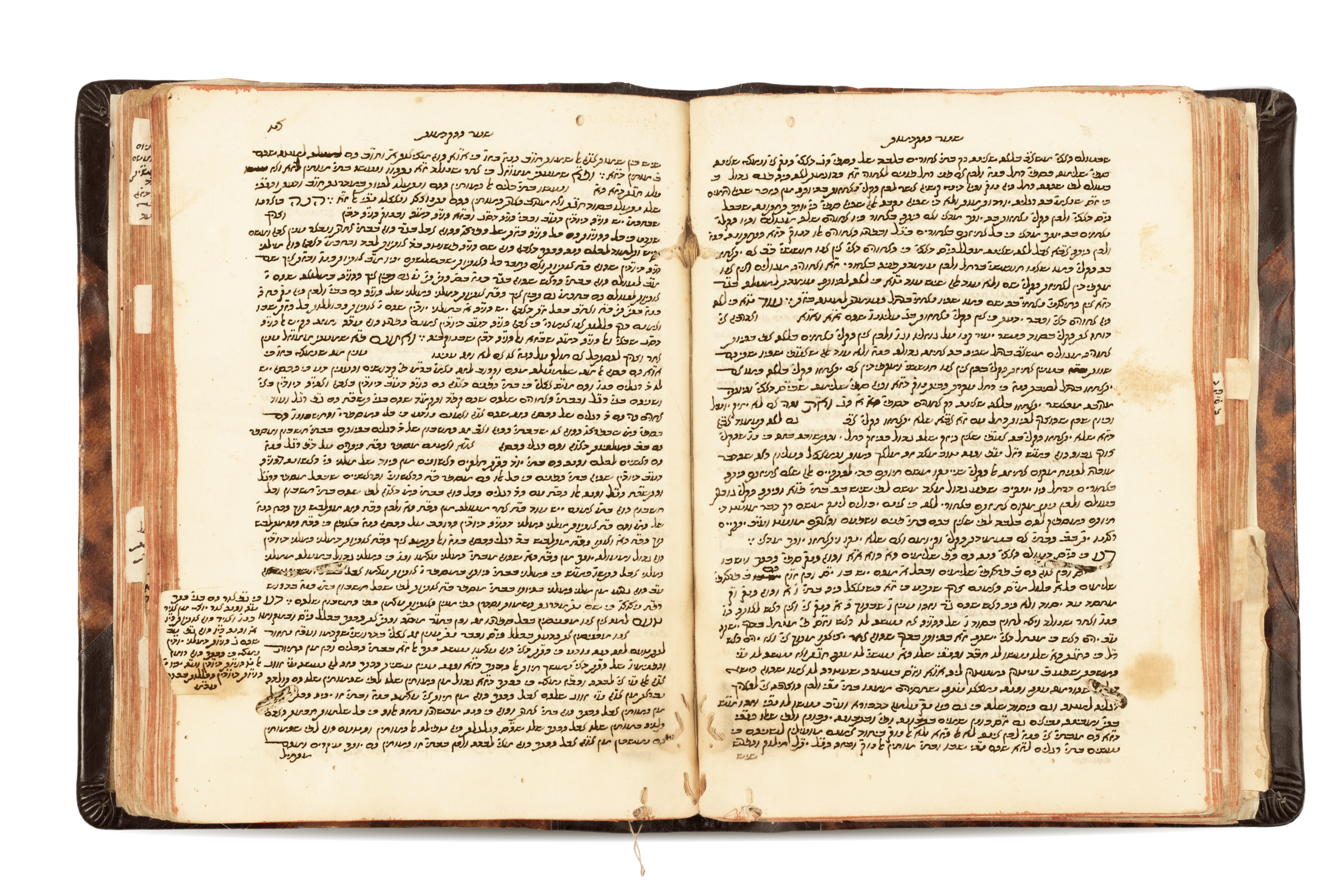
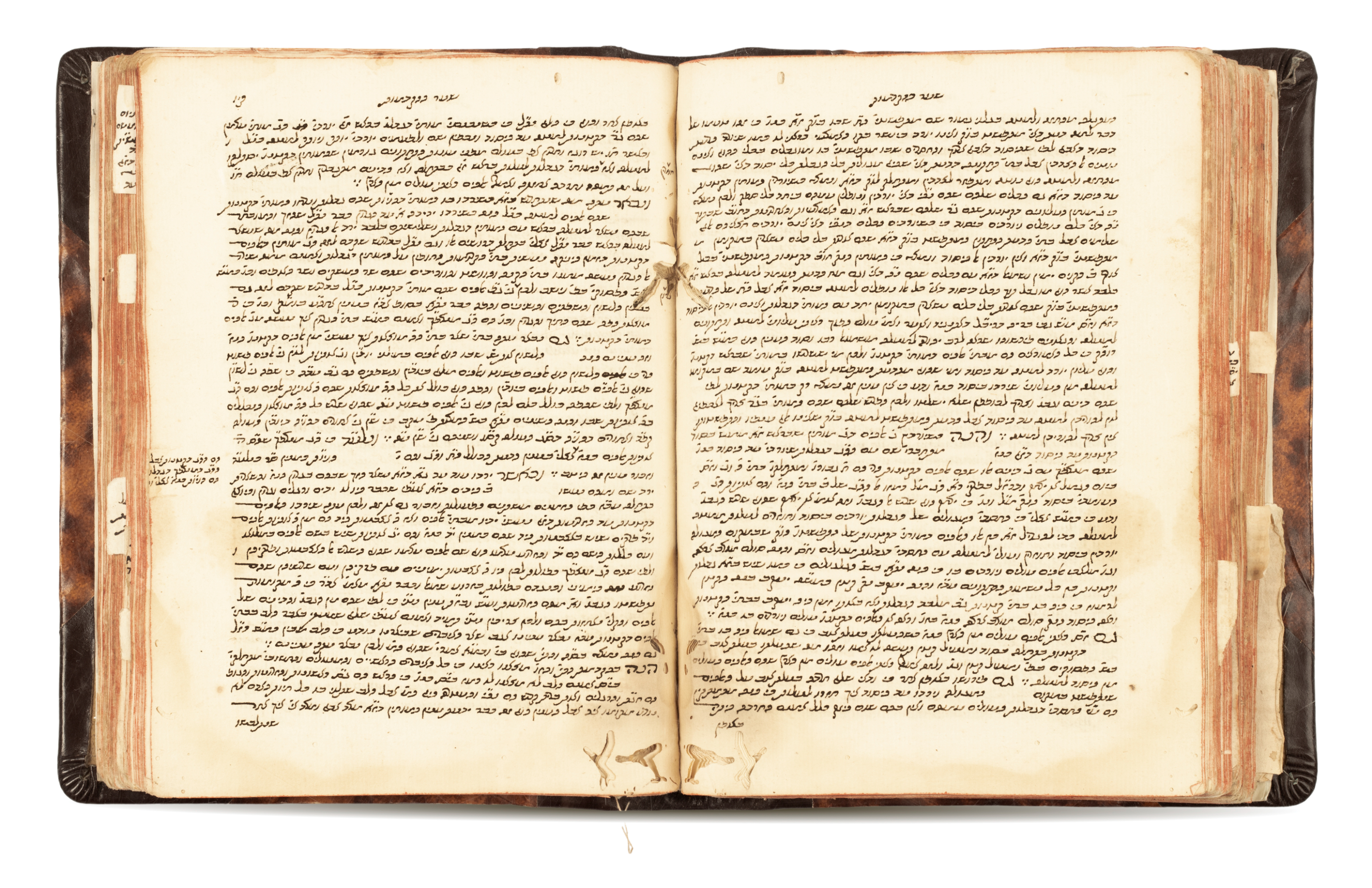
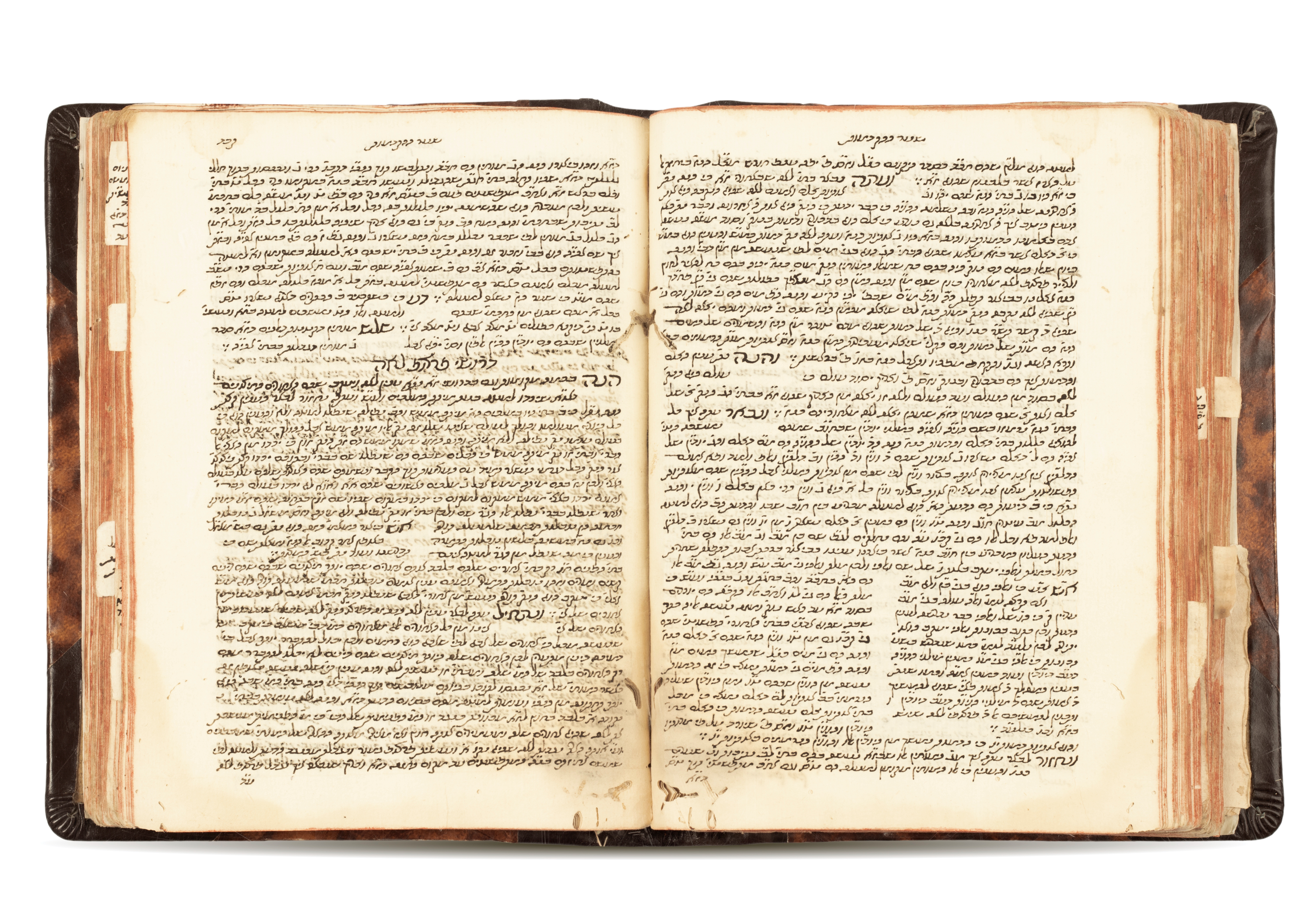
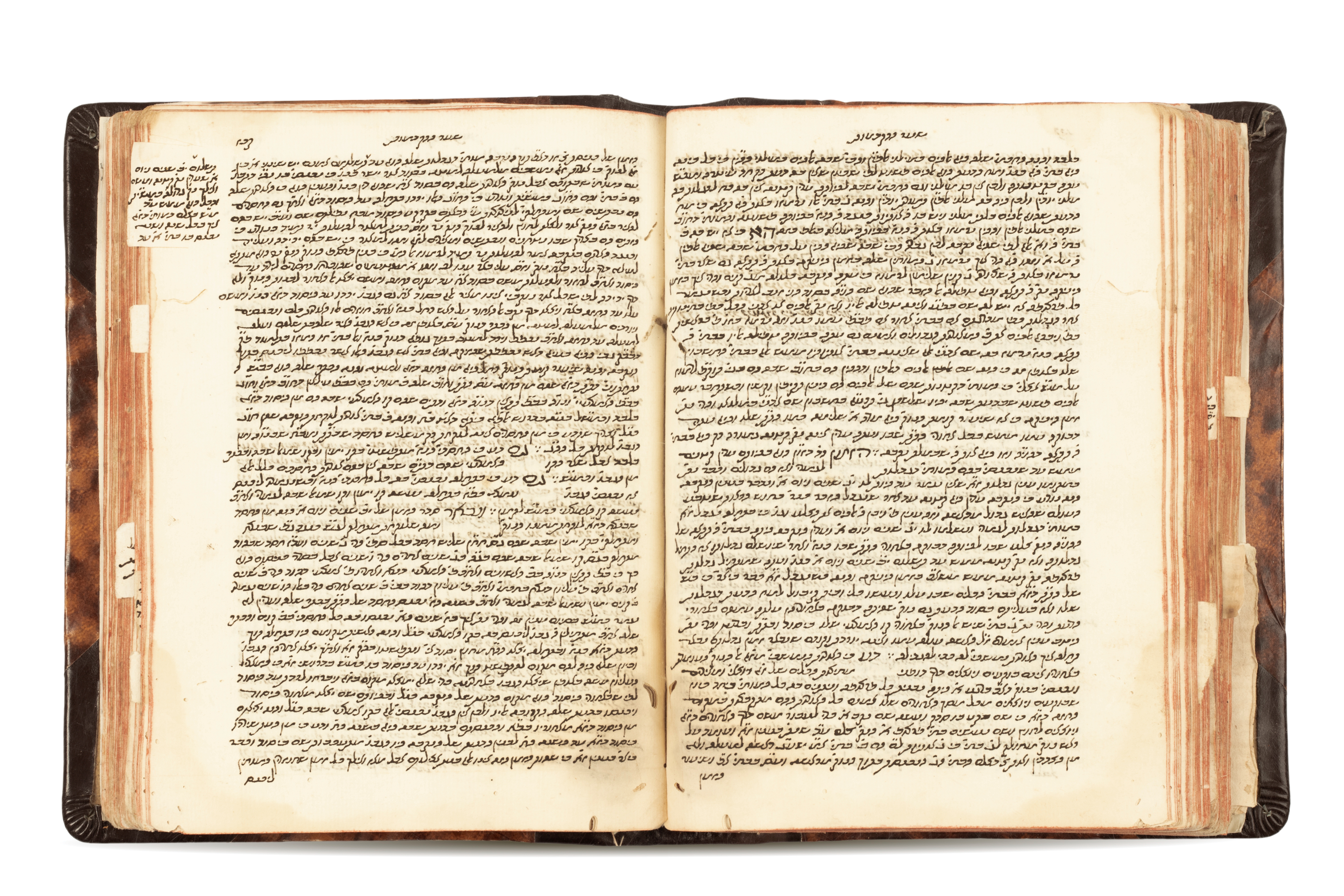
Shaar HaHakdamos in the Original Order of Rabbi Chaim Vital – Handwritten by Tunisian Sage Rabbi Eliyahu Lumbroso – With New Glosses – 1799

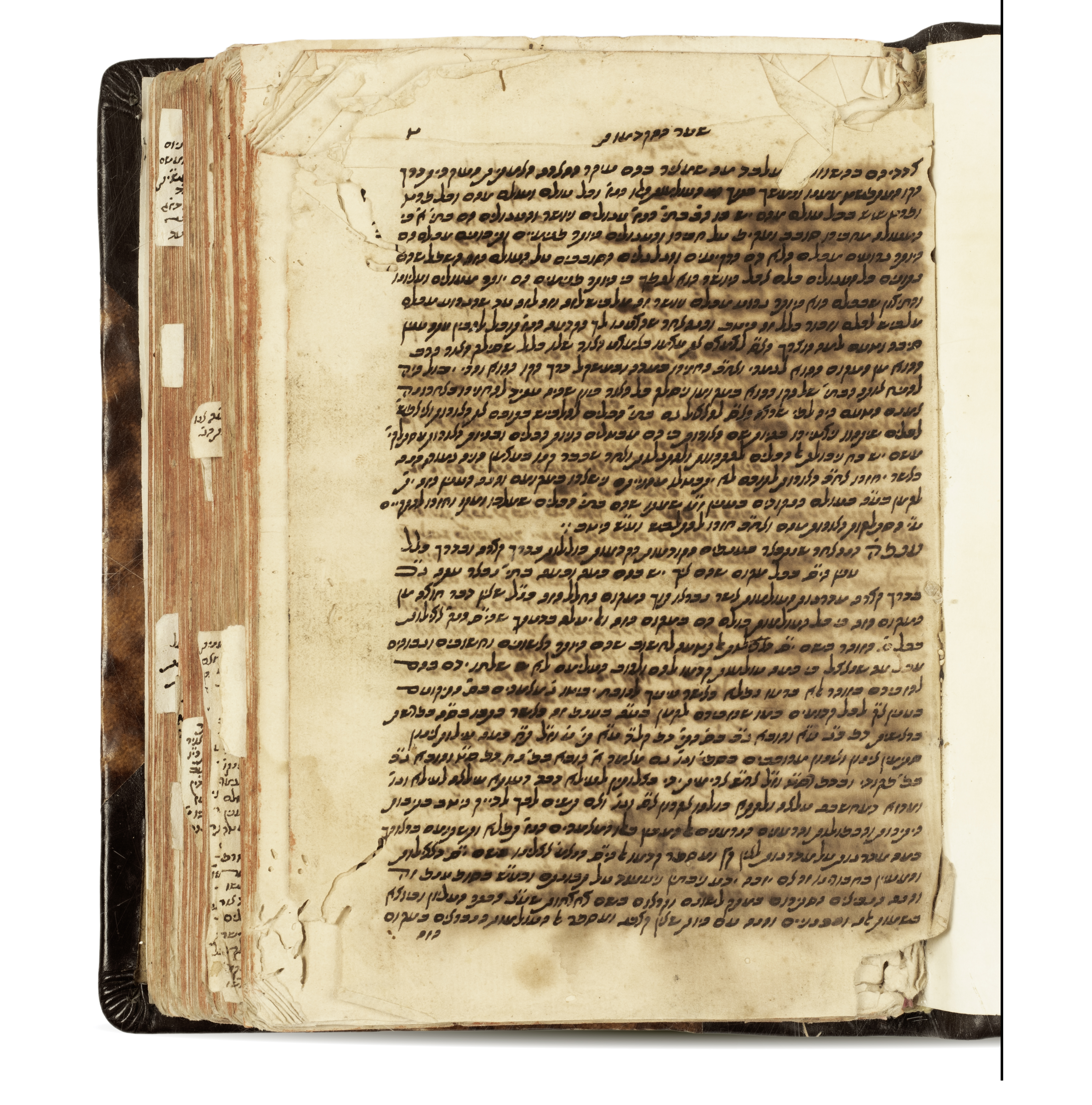
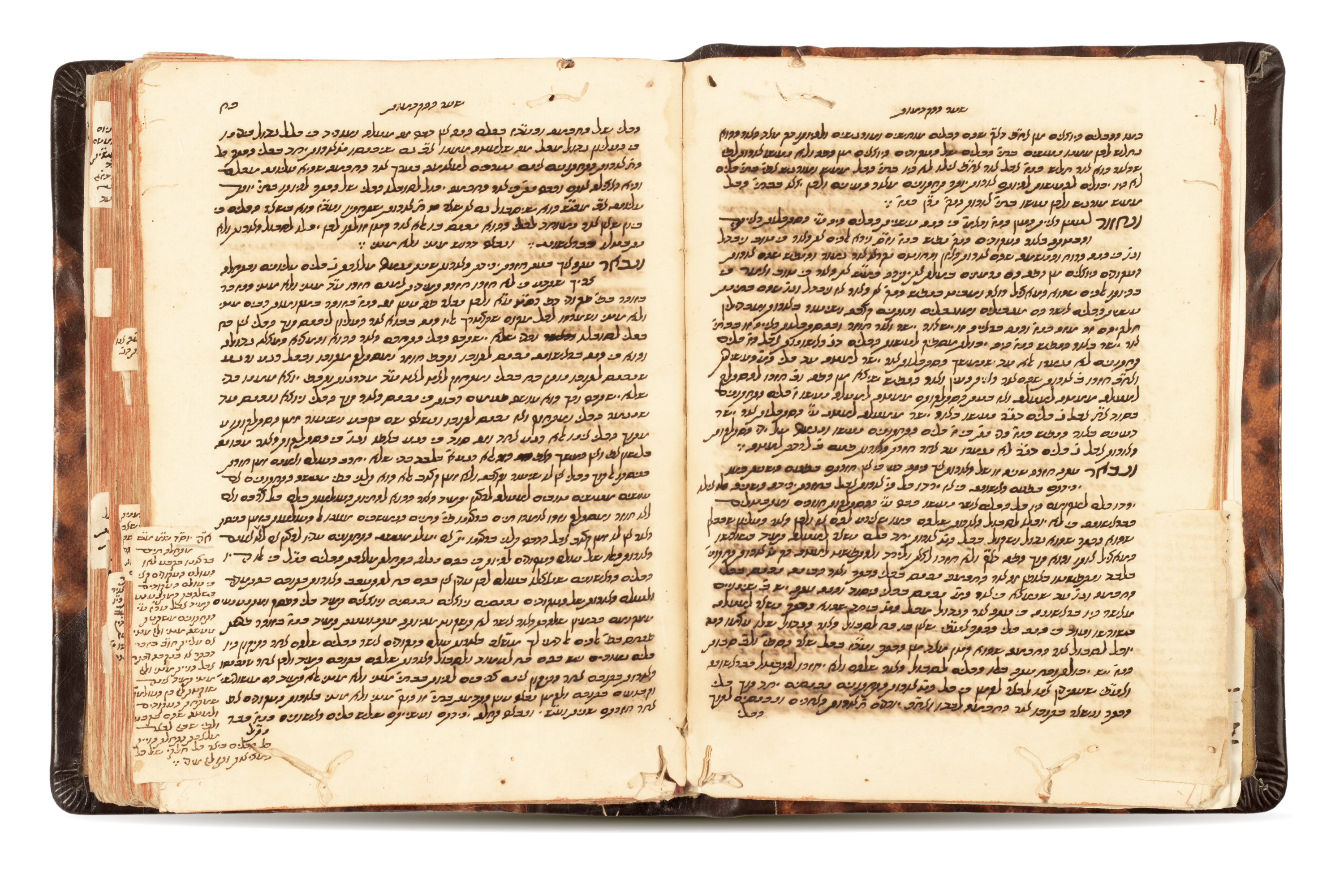
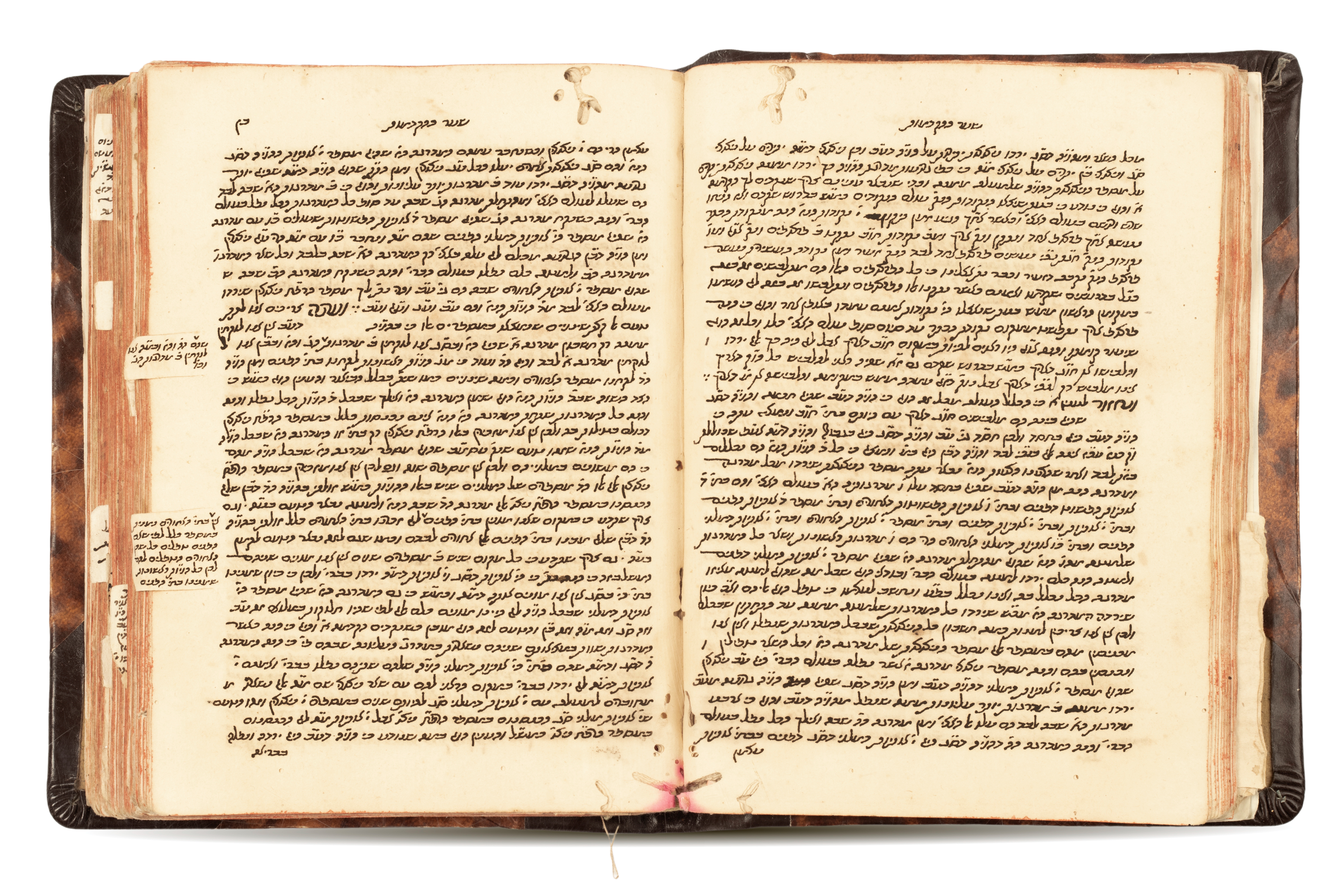
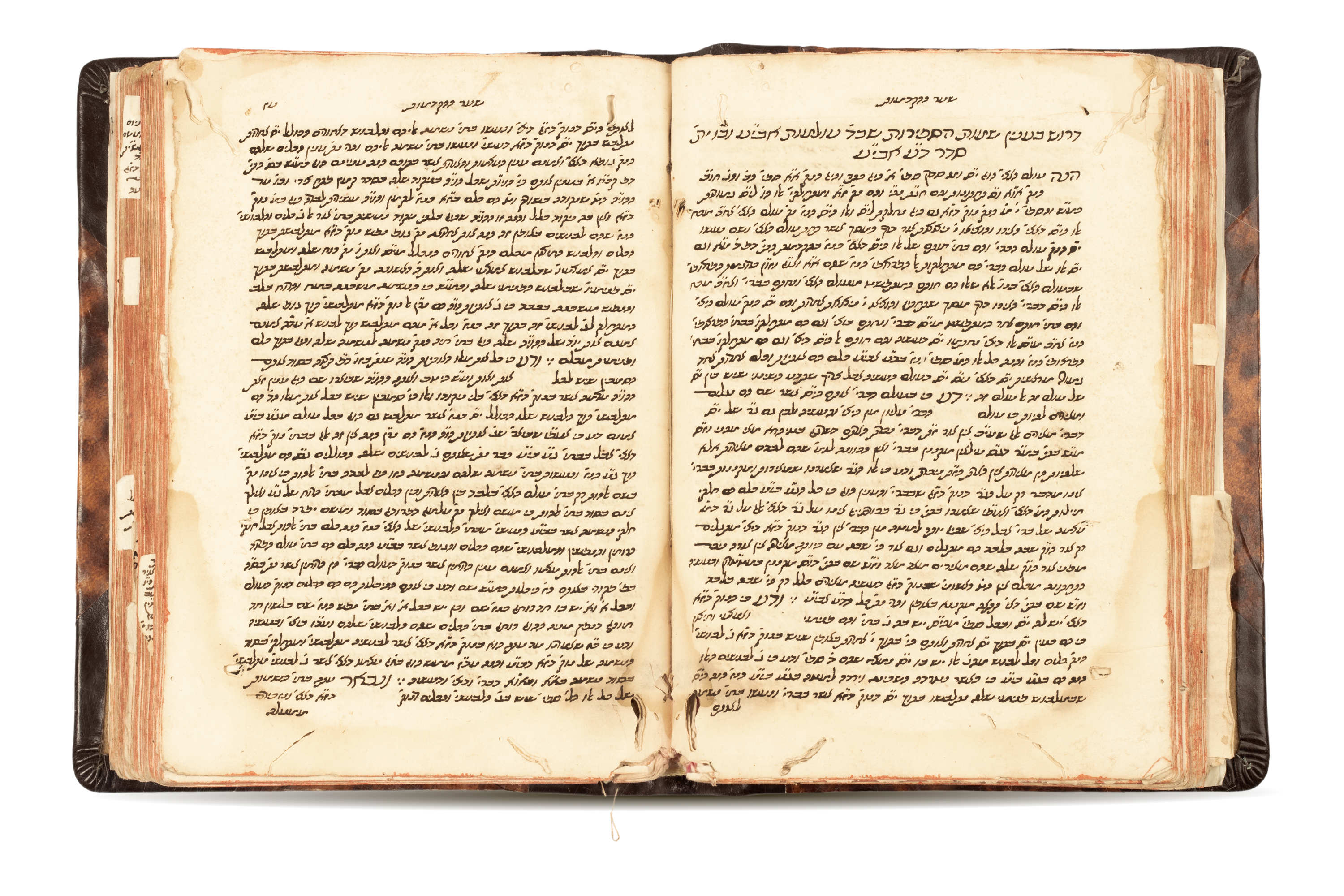
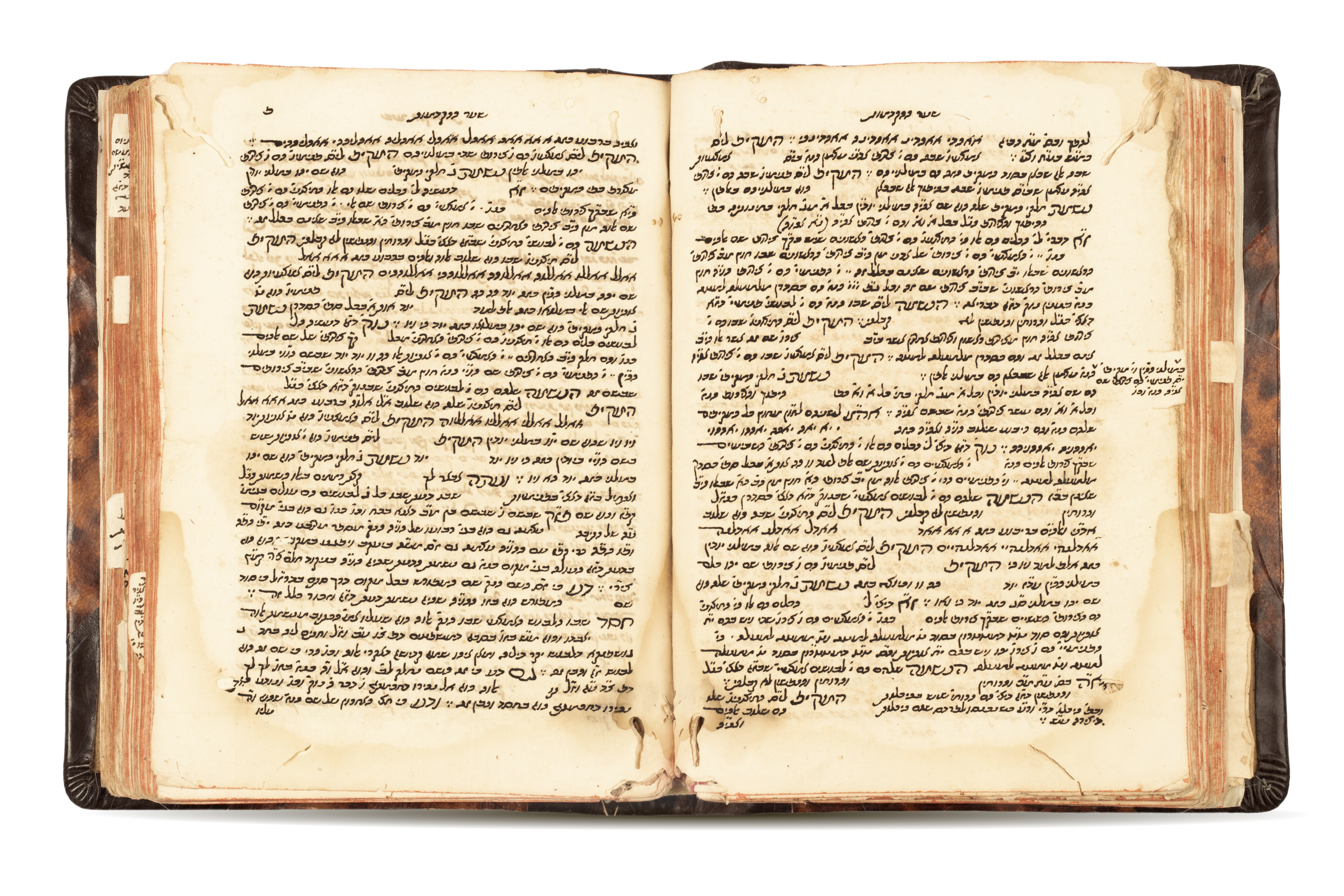
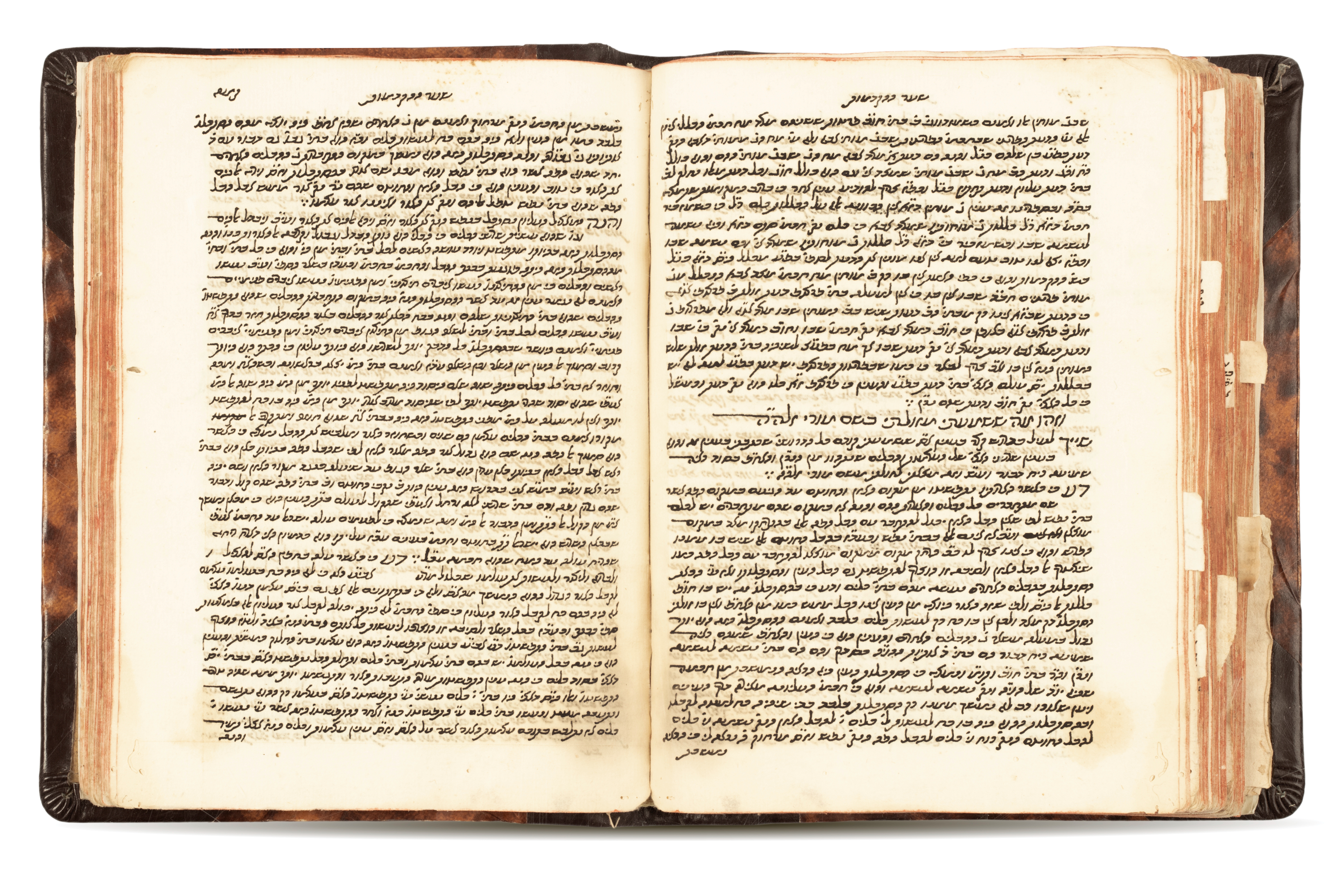
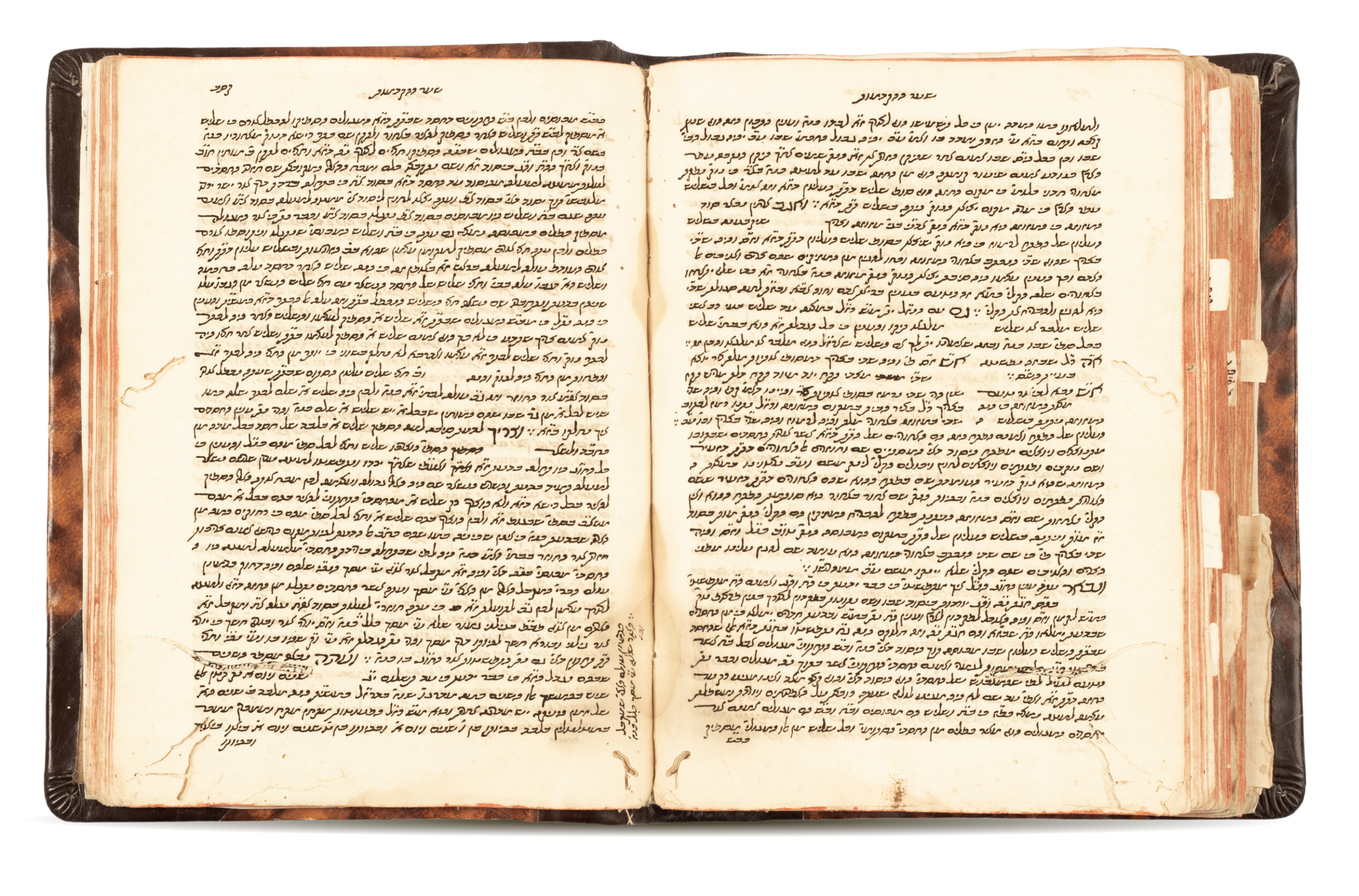
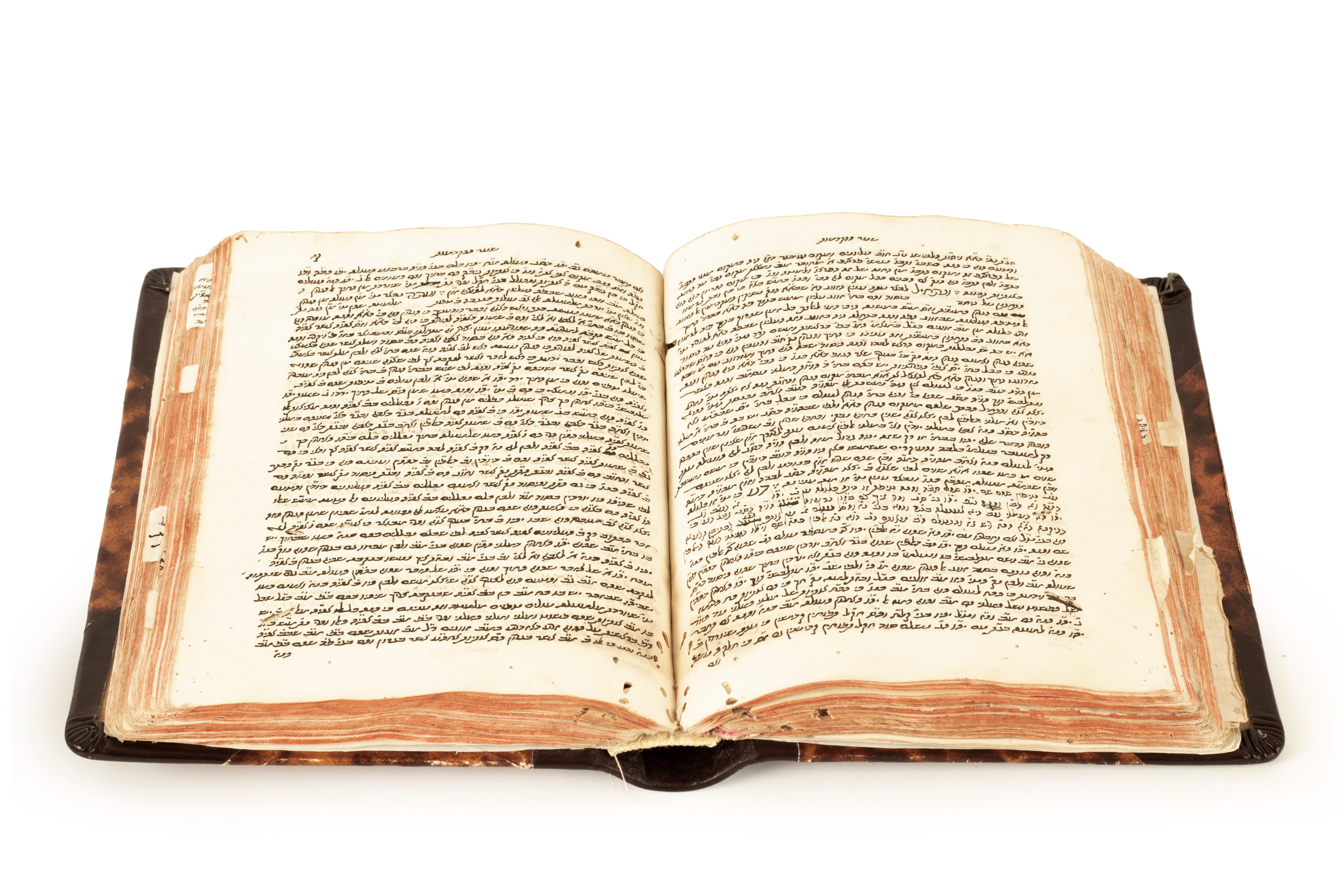
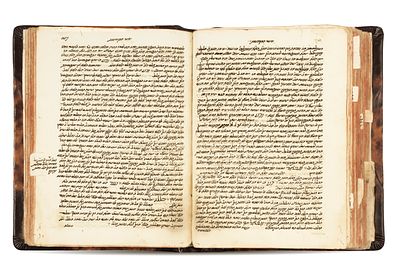
Manuscript of Shaar HaHakdamos, the most fundamental chapter of the “Eight Gates” (chapters) written and arranged by Rabbi Chaim Vital according to the teachings of his rebbi, the Arizal.

The manuscript has three important qualities:
1. The text follows the original order of Rabbi Chaim Vital.
2. It is the writing of the scribe and dayan Rabbi Eliyahu Lumbroso, who was known for his fine and precise writing, and
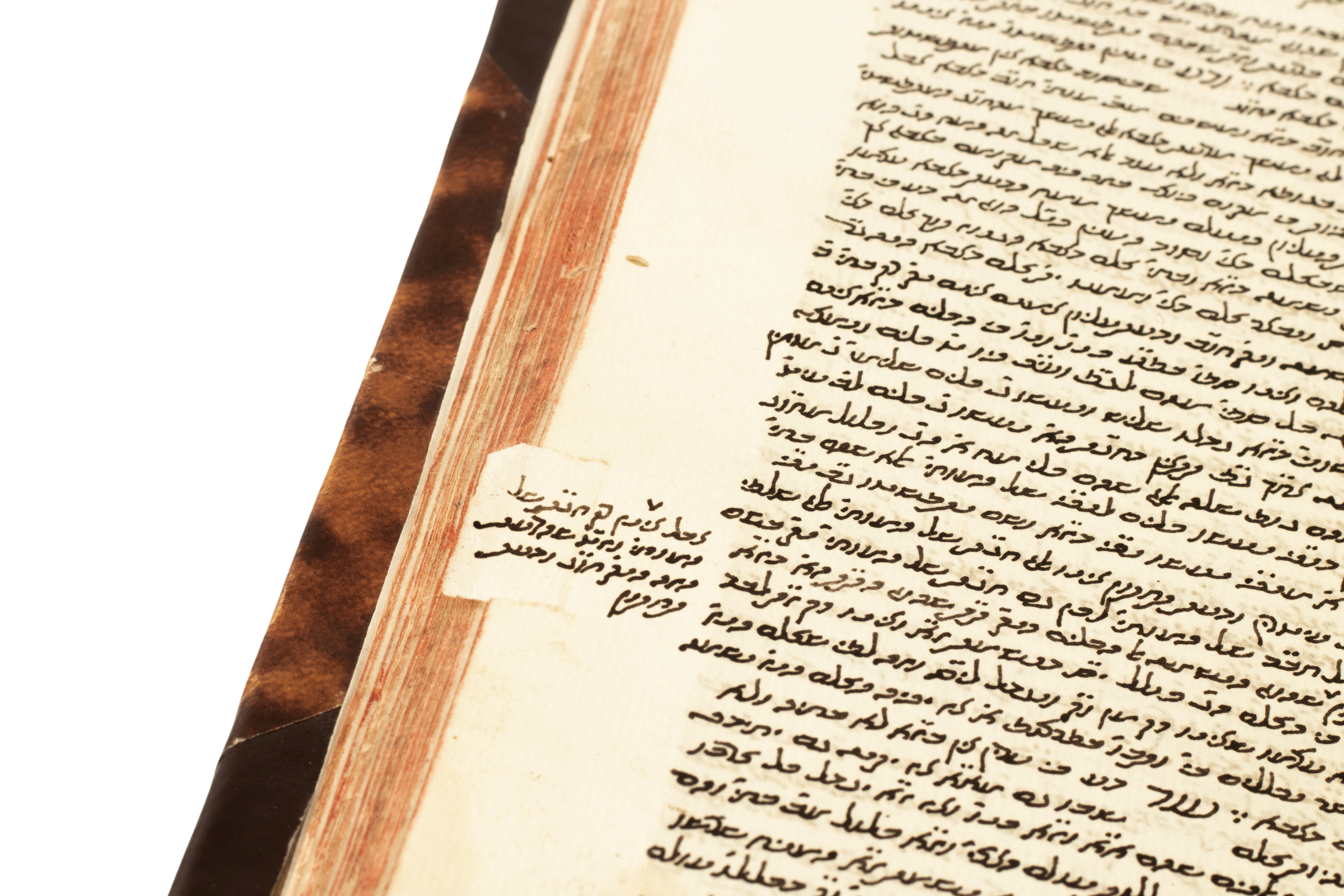
3. It contains glosses of the kabbalist Rabbi Yitzchak Karshani, which are not known from any other source.

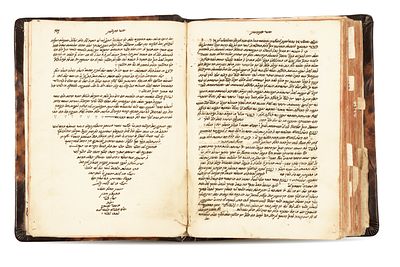
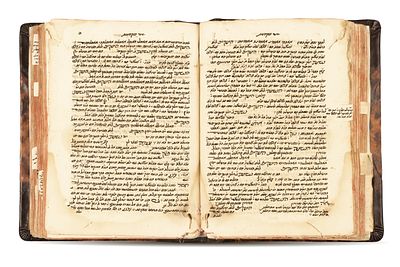
This manuscript is from the original order of Rabbi Chaim Vital, combined with glosses of his son, Rabbi Shmuel Vital, and glosses of the great kabbalists of Tunis, Rabbi Yosef Sadbon and Rabbi Yitzchak Karshani, who were among the great sages of the Maghreb region who sent their questions in Kabbalah to the Rashash. They were part of the initial group of scholars there who studied and transmitted the teachings of the Arizal and his disciples.

These glosses of the kabbalist Rabbi Yitzchak Karshani are not known from any other source.

—————-

Importance and Uniqueness of this Manuscript

Rabbi Chaim Vital organized the discourses that he heard from his rebbi, the Ari, into “Eight Gates” (sections), and called them “Eitz Chaim.” In these eight sections, Rabbi Chaim Vital distinguished between the discourses that he personally heard from his rebbi the Ari, which he arranged within the main body of each section, and the discourses heard from the Arizal by other talmidim, which he placed at the end of each section.

These eight sections were later re-edited and reorganized by Rabbi Chaim’s son, Rabbi Shmuel Vital, in a different order. He combined everything without distinguishing between what his father had heard and what the other disciples had heard, and Shaar HaHakdamos was printed in Jerusalem in 1865 and 1906 in this order.

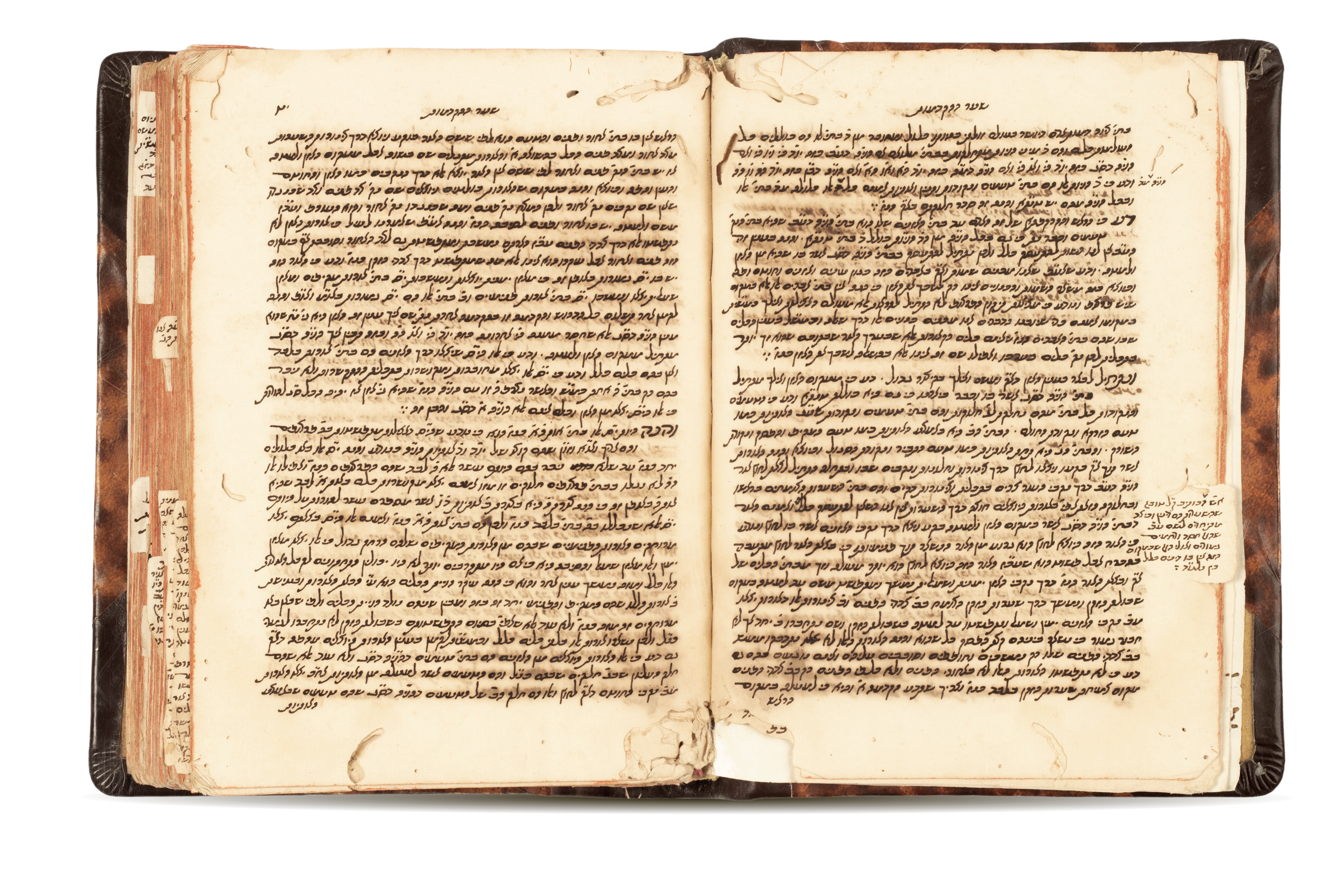
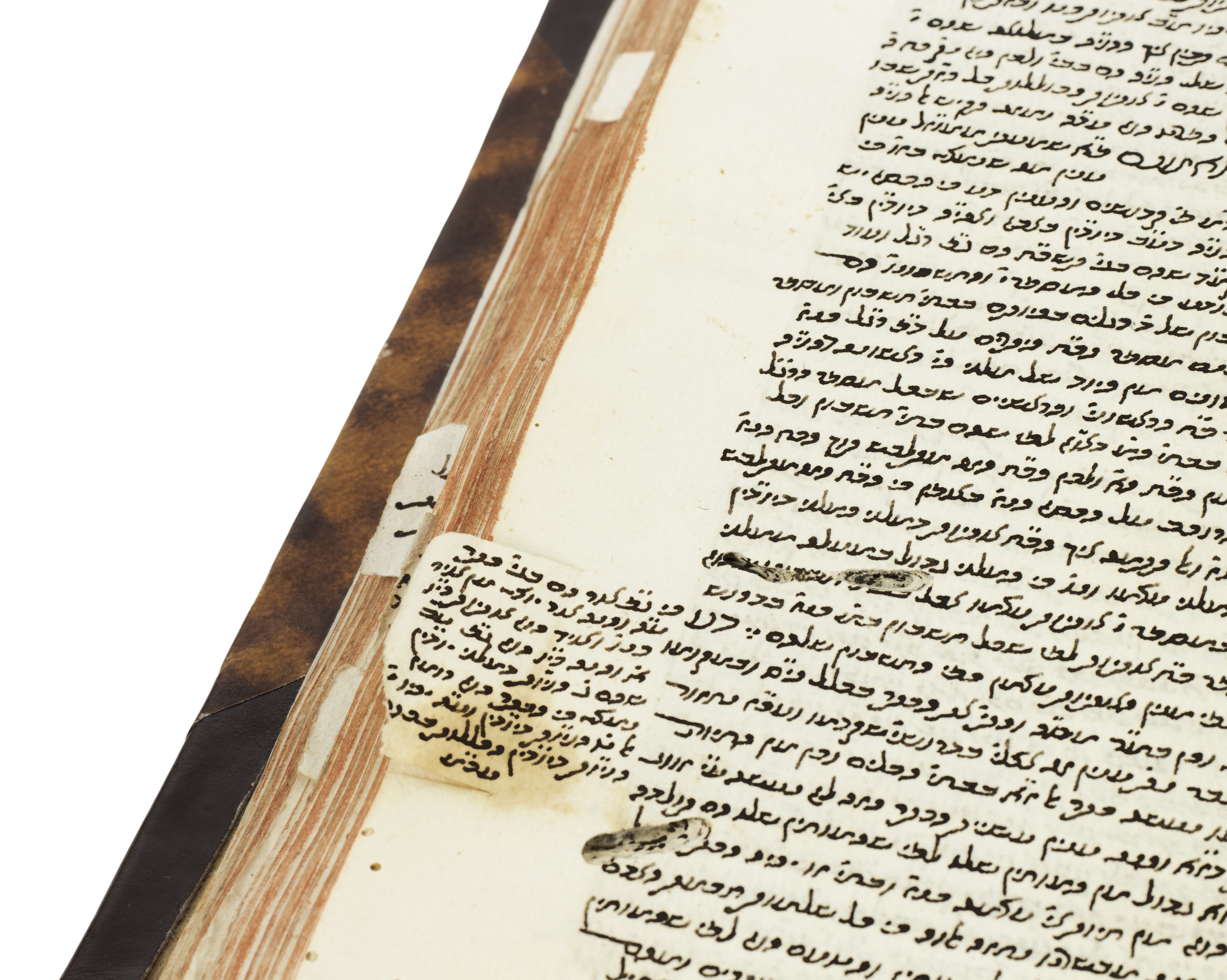
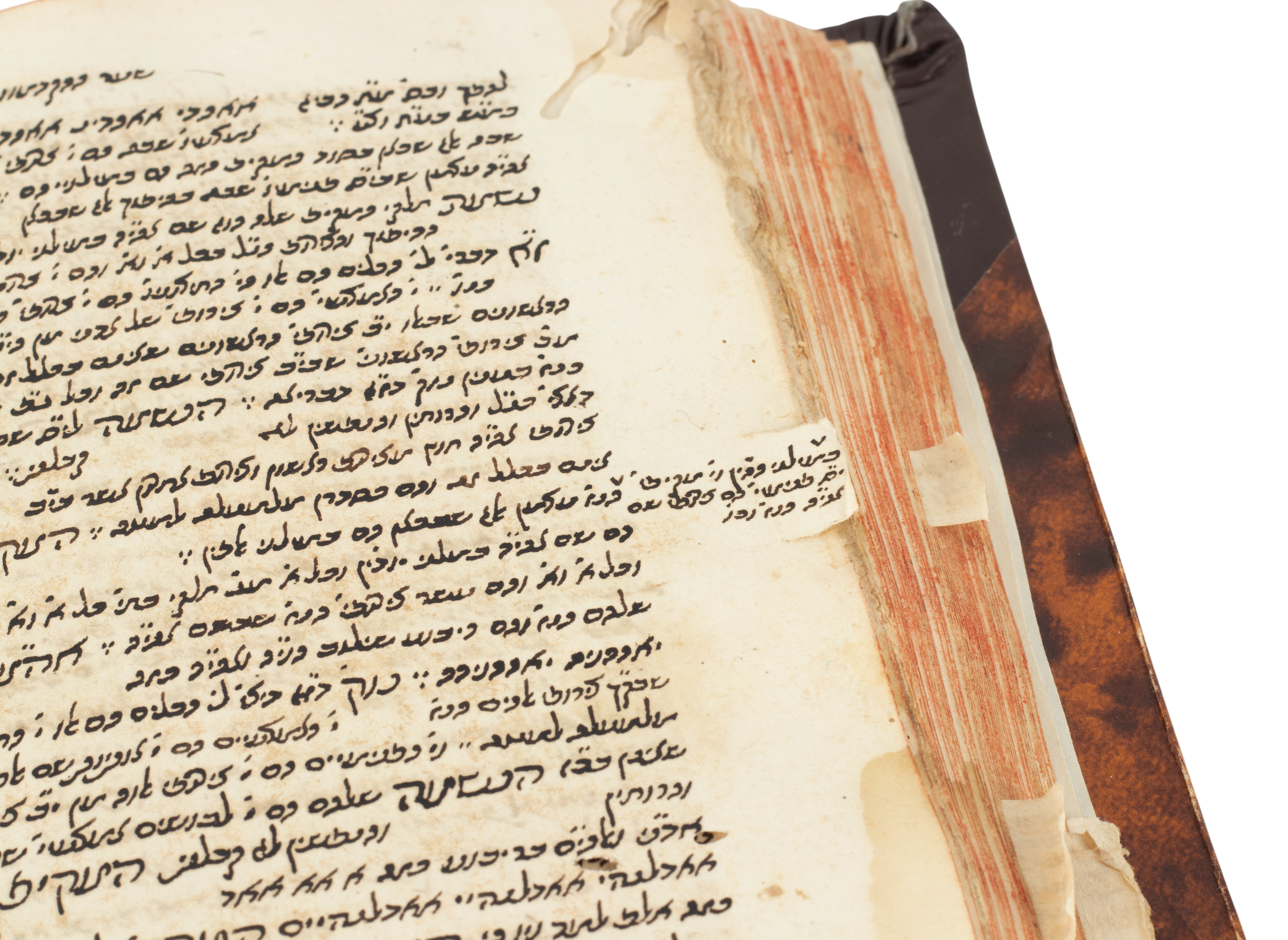
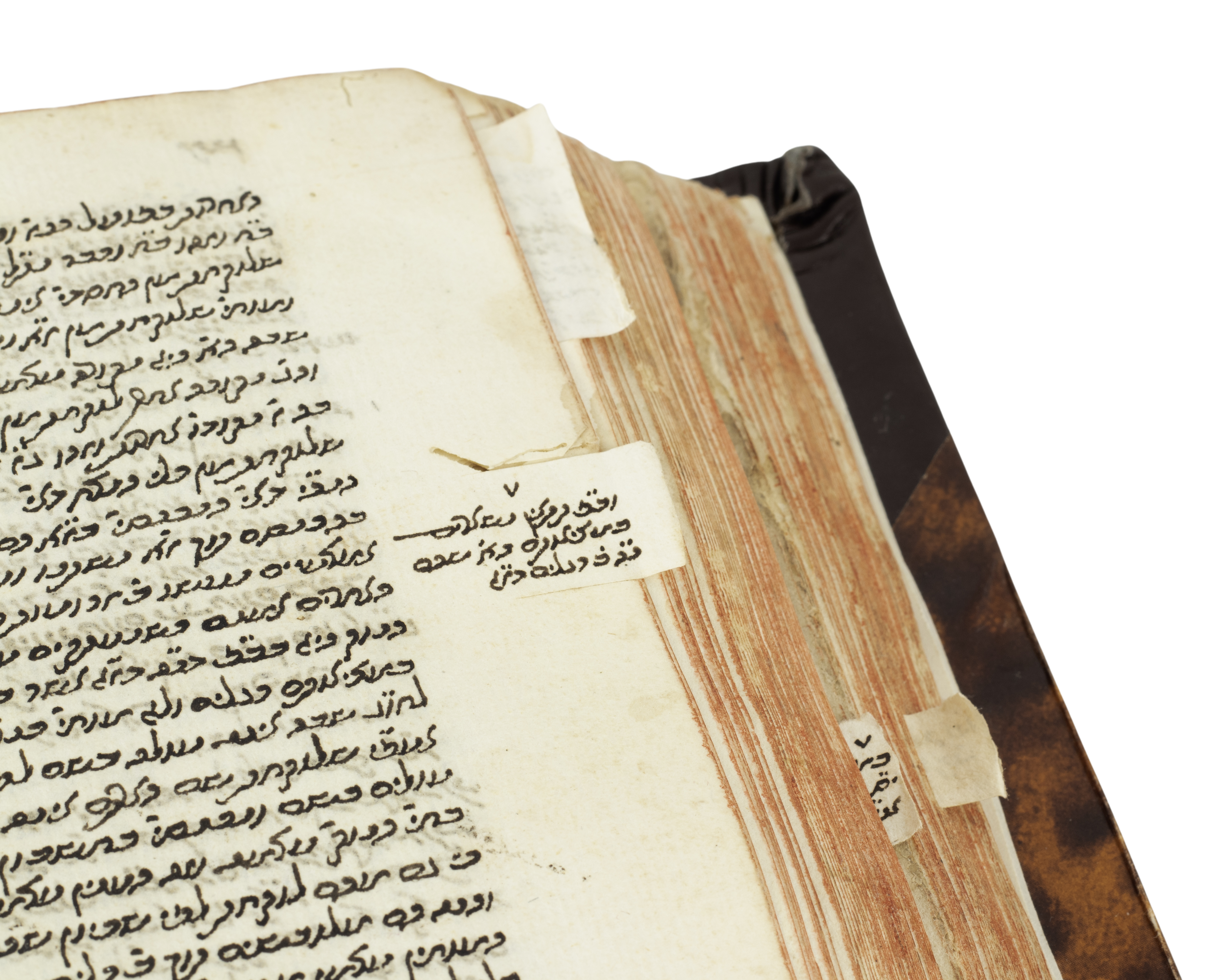
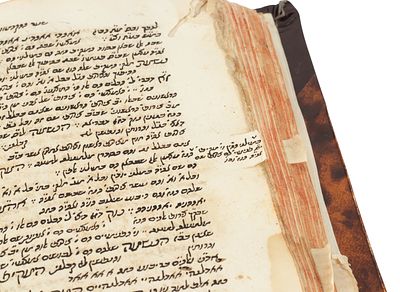
In the present manuscript, the writings of the other disciples — “what I heard from others in the name of my teacher, of blessed memory, ” appear from leaf 144b onward. The glosses of Rabbi Shmuel Vital from his order were incorporated here within his father’s order in separate textual boxes.

The “Eight She’arim” in the order of Rabbi Chaim Vital were brought to Tunis in 1750 by the emissary of Tzfat, Rabbi Moshe Shapira, who brought them from Aleppo. Their source were the copies of Rabbi Dovid Atzban, produced in Egypt in 1734–1735 from copies of the autograph text in the order of Rabbi Chaim Vital.

The “She’arim” in the order of Rabbi Chaim Vital are considered rare, for most copies produced from Shaar HaHakdamos are from the copy organized by his son, Rabbi Shmuel Vital.

—————-

Glosses of the Sages of Tunis

The importance and uniqueness of this copy lie in its incorporation of the analytical notes of the sage and kabbalist Rabbi Yitzchak (Chugah) Karshani, a member of the Tunisian kabbalist circle that formed the initial group of scholars there who studied and transmitted the teachings of the Arizal and his disciples.

He lived for a period in the village of Banzart [Bizerte], and was a colleague of Rabbi Yosef HaKohen Avrish and Rabbi Baruch Paitusi. He is mentioned in Yachas Chachmei Tunis as: “Rabbi Chugah Karshini, may Hashem protect him and sustain him, a learned scholar and kabbalist.”

He was one of the sages of the Maghreb region who sent questions to the Rashash, as he mentioned in his writings: “And as he sent me from there, Jerusalem, may it be rebuilt and established, the divine kabbalist, pious chassid, Rabbi Shalom Sharabi, may his light shine” (Manuscript drashos, Lehmann).

He was a prolific author and produced chiddushim on the Torah, the Talmud, and the Zohar. Many volumes of his chiddushim are hidden in libraries and private collections.

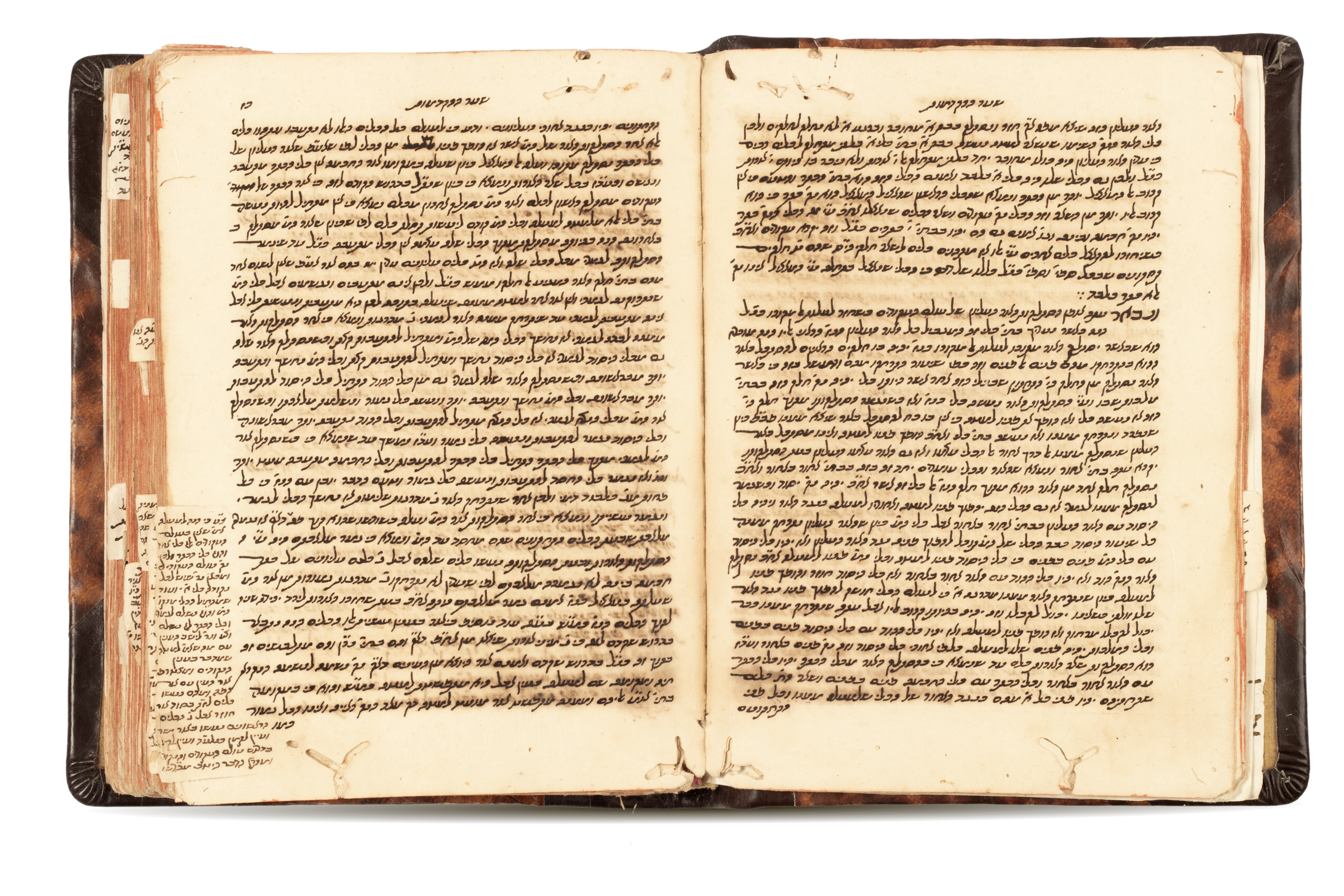
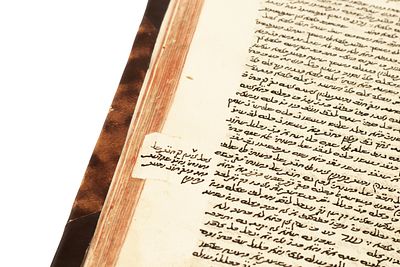
In one place, a gloss by the kabbalist Rabbi Yosef Sadbon, a member of the Tunisian kabbalist circle in the generation of the Rashash and author of the in-depth commentary to Shaar Ruach HaKodesh, was copied in the margin. See leaf 28a, a long gloss from him beginning: “א"ה יוס"ד.”

The Colophon

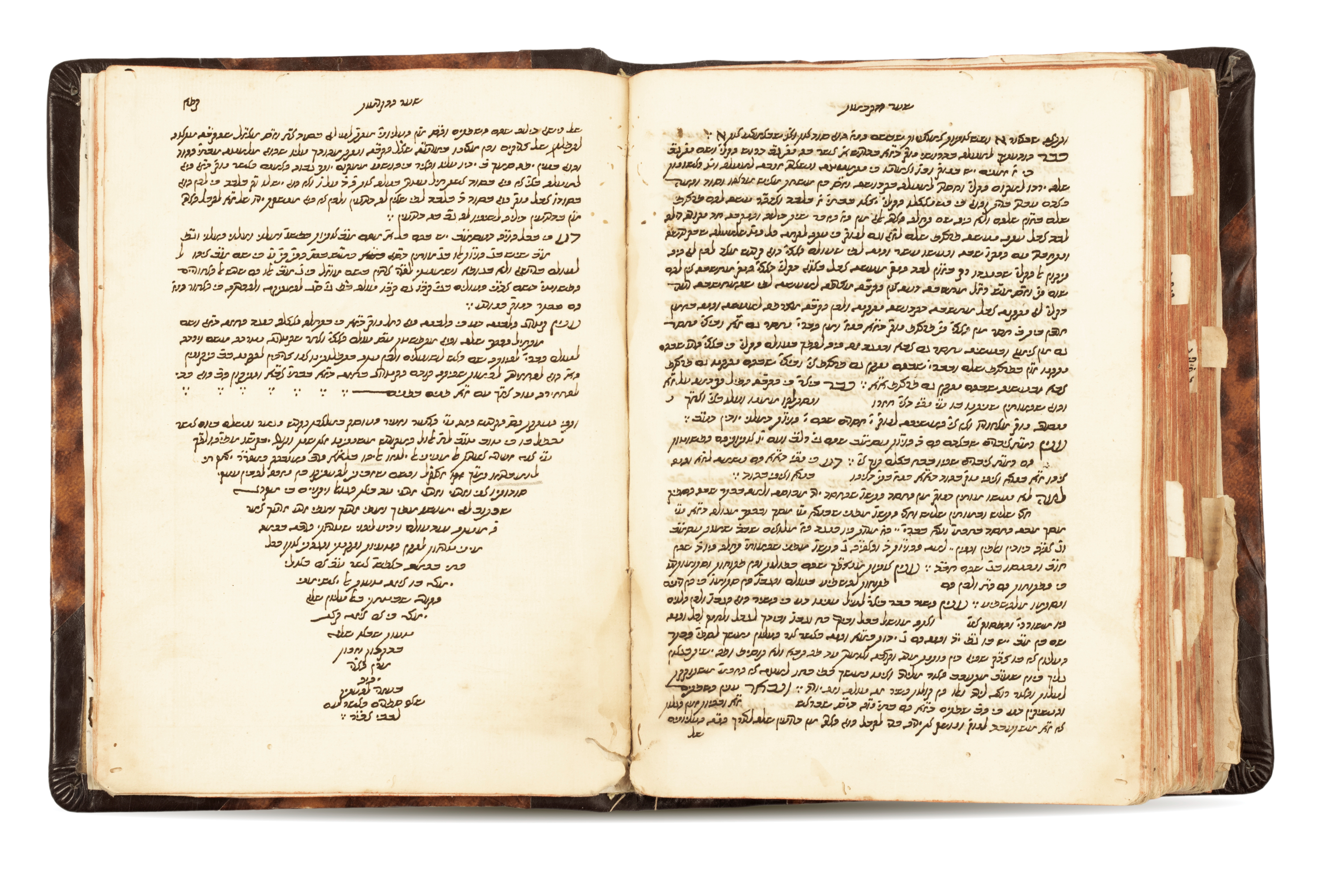
At the end of the manuscript is a long and detailed colophon:

“The copying of this holy sefer was done by the young and small one, who engaged in the holy work. It was completed and finished on the day on which ‘ki tov’ was doubled, in the sanctified month of Elul, in this year of ours, the year 1799, by me, the small one: ‘The sayings of Hashem, the fountains of Hashem, shall not depart, ’
Eliyahu, son of my father and master, the distinguished Rav, our teacher Rabbi Yitzchak Chai Lumbroso, may the Merciful One protect him, zt”l.

And just as I merited to copy it, so may I merit to understand the depths of its secrets… And it should be known that I toiled greatly with considerable effort in many ways to correct the errors, and I corrected and proofread it with all my strength, as much as possible. Therefore, if some error is perhaps found in it, the reader should not blame me, and the merit of Maran HaAri should assist me to copy other sefarim as I hope to do, amen, so may it be His will.”

Tunis, 1799. Page Count: 9–181 leaves.
Size: 15 x 20.5 cm.
The manuscript is lacking at the beginning and begins on leaf 9, at the end of section 4 of the first introductions (parallel to p. 16 in Shaar HaHakdamos, Ahavat Shalom edition, Jerusalem 2017).

Condition: Holes and signs of worming (clean), throughout the manuscript. The margins were trimmed by the binder, but the marginal glosses were folded and preserved.

—————-

Rabbi Eliyahu Lumbroso

Rabbi Eliyahu Lumbroso, son of Rabbi Yitzchak Chai Lumbroso the second, was one of the sages of Tunis and signed, together with them, halachic rulings from 1815–1833. He passed away shortly before 1840.

Aside from being a great Torah scholar, precious and rare works were found among his possessions and archives, including manuscripts of Rishonim and Achronim, some of which were printed from the manuscripts he held.

He was also a distinguished scribe and his writing is fine and straight, and his text is known as especially precise. Manuscripts in his handwriting are found in libraries and private collections.
This is the earliest-dated manuscript known from him.


—————-

Shaar HaHakdamos

“Of the Eight Gates, the most distinguished is the sefer Shaar HaHakdamos, which includes all the general and detailed discourses of the wisdom of Kabbalah that the Arizal taught to Rabbi Chaim Vital, as he received from Eliyahu [HaNavi]. And although this section is the second section of the Eight Gates, edited and organized by Rabbi Chaim Vital, for it comes in order after the first section, which is Shaar Kisvei Mori, nevertheless, in practice, it is first in importance among the seven sections that include all the subjects of the teachings of Kabbalah that the Arizal taught Rabbi Chaim Vital.

This section is the foundation and basis upon which all the levels of the magnificent structure of the teachings of the Arizal were added, for all the discourses of intentions, mitzvos, unifications, reincarnations, explanations of pesukim, writings of the Zohar, and writings of Chazal, all have their holy foundation upon the knowledge and principles explained in the sefer Shaar HaHakdamos, as its name testifies about it, that it contains the ‘introductions’ necessary for knowing and understanding all the other gates.”

— Rabbi Y. M. Hillel, shlita, in the introductory words to Shaar HaHakdamos, Ahavat Shalom edition.

Shaar HaHakdamos in the Original Order of Rabbi Chaim Vital – Handwritten by Tunisian Sage Rabbi Eliyahu Lumbroso – With New Glosses – 1799

Manuscript of Shaar HaHakdamos, the most fundamental chapter of the “Eight Gates” (chapters) written and arranged by Rabbi Chaim Vital according to the teachings of his rebbi, the Arizal.

The manuscript has three important qualities:
1. The text follows the original order of Rabbi Chaim Vital.
2. It is the writing of the scribe and dayan Rabbi Eliyahu Lumbroso, who was known for his fine and precise writing, and
3. It contains glosses of the kabbalist Rabbi Yitzchak Karshani, which are not known from any other source.

This manuscript is from the original order of Rabbi Chaim Vital, combined with glosses of his son, Rabbi Shmuel Vital, and glosses of the great kabbalists of Tunis, Rabbi Yosef Sadbon and Rabbi Yitzchak Karshani, who were among the great sages of the Maghreb region who sent their questions in Kabbalah to the Rashash. They were part of the initial group of scholars there who studied and transmitted the teachings of the Arizal and his disciples.

These glosses of the kabbalist Rabbi Yitzchak Karshani are not known from any other source.

—————-

Importance and Uniqueness of this Manuscript

Rabbi Chaim Vital organized the discourses that he heard from his rebbi, the Ari, into “Eight Gates” (sections), and called them “Eitz Chaim.” In these eight sections, Rabbi Chaim Vital distinguished between the discourses that he personally heard from his rebbi the Ari, which he arranged within the main body of each section, and the discourses heard from the Arizal by other talmidim, which he placed at the end of each section.

These eight sections were later re-edited and reorganized by Rabbi Chaim’s son, Rabbi Shmuel Vital, in a different order. He combined everything without distinguishing between what his father had heard and what the other disciples had heard, and Shaar HaHakdamos was printed in Jerusalem in 1865 and 1906 in this order.

In the present manuscript, the writings of the other disciples — “what I heard from others in the name of my teacher, of blessed memory, ” appear from leaf 144b onward. The glosses of Rabbi Shmuel Vital from his order were incorporated here within his father’s order in separate textual boxes.

The “Eight She’arim” in the order of Rabbi Chaim Vital were brought to Tunis in 1750 by the emissary of Tzfat, Rabbi Moshe Shapira, who brought them from Aleppo. Their source were the copies of Rabbi Dovid Atzban, produced in Egypt in 1734–1735 from copies of the autograph text in the order of Rabbi Chaim Vital.

The “She’arim” in the order of Rabbi Chaim Vital are considered rare, for most copies produced from Shaar HaHakdamos are from the copy organized by his son, Rabbi Shmuel Vital.

—————-

Glosses of the Sages of Tunis

The importance and uniqueness of this copy lie in its incorporation of the analytical notes of the sage and kabbalist Rabbi Yitzchak (Chugah) Karshani, a member of the Tunisian kabbalist circle that formed the initial group of scholars there who studied and transmitted the teachings of the Arizal and his disciples.

He lived for a period in the village of Banzart [Bizerte], and was a colleague of Rabbi Yosef HaKohen Avrish and Rabbi Baruch Paitusi. He is mentioned in Yachas Chachmei Tunis as: “Rabbi Chugah Karshini, may Hashem protect him and sustain him, a learned scholar and kabbalist.”

He was one of the sages of the Maghreb region who sent questions to the Rashash, as he mentioned in his writings: “And as he sent me from there, Jerusalem, may it be rebuilt and established, the divine kabbalist, pious chassid, Rabbi Shalom Sharabi, may his light shine” (Manuscript drashos, Lehmann).

He was a prolific author and produced chiddushim on the Torah, the Talmud, and the Zohar. Many volumes of his chiddushim are hidden in libraries and private collections.

In one place, a gloss by the kabbalist Rabbi Yosef Sadbon, a member of the Tunisian kabbalist circle in the generation of the Rashash and author of the in-depth commentary to Shaar Ruach HaKodesh, was copied in the margin. See leaf 28a, a long gloss from him beginning: “א"ה יוס"ד.”

The Colophon

At the end of the manuscript is a long and detailed colophon:

“The copying of this holy sefer was done by the young and small one, who engaged in the holy work. It was completed and finished on the day on which ‘ki tov’ was doubled, in the sanctified month of Elul, in this year of ours, the year 1799, by me, the small one: ‘The sayings of Hashem, the fountains of Hashem, shall not depart, ’
Eliyahu, son of my father and master, the distinguished Rav, our teacher Rabbi Yitzchak Chai Lumbroso, may the Merciful One protect him, zt”l.

And just as I merited to copy it, so may I merit to understand the depths of its secrets… And it should be known that I toiled greatly with considerable effort in many ways to correct the errors, and I corrected and proofread it with all my strength, as much as possible. Therefore, if some error is perhaps found in it, the reader should not blame me, and the merit of Maran HaAri should assist me to copy other sefarim as I hope to do, amen, so may it be His will.”

Tunis, 1799. Page Count: 9–181 leaves.
Size: 15 x 20.5 cm.
The manuscript is lacking at the beginning and begins on leaf 9, at the end of section 4 of the first introductions (parallel to p. 16 in Shaar HaHakdamos, Ahavat Shalom edition, Jerusalem 2017).

Condition: Holes and signs of worming (clean), throughout the manuscript. The margins were trimmed by the binder, but the marginal glosses were folded and preserved.

—————-

Rabbi Eliyahu Lumbroso

Rabbi Eliyahu Lumbroso, son of Rabbi Yitzchak Chai Lumbroso the second, was one of the sages of Tunis and signed, together with them, halachic rulings from 1815–1833. He passed away shortly before 1840.

Aside from being a great Torah scholar, precious and rare works were found among his possessions and archives, including manuscripts of Rishonim and Achronim, some of which were printed from the manuscripts he held.

He was also a distinguished scribe and his writing is fine and straight, and his text is known as especially precise. Manuscripts in his handwriting are found in libraries and private collections.
This is the earliest-dated manuscript known from him.

For a more detailed account, see attached article by Rabbi Moshe Hillel.

—————-

Shaar HaHakdamos

“Of the Eight Gates, the most distinguished is the sefer Shaar HaHakdamos, which includes all the general and detailed discourses of the wisdom of Kabbalah that the Arizal taught to Rabbi Chaim Vital, as he received from Eliyahu [HaNavi]. And although this section is the second section of the Eight Gates, edited and organized by Rabbi Chaim Vital, for it comes in order after the first section, which is Shaar Kisvei Mori, nevertheless, in practice, it is first in importance among the seven sections that include all the subjects of the teachings of Kabbalah that the Arizal taught Rabbi Chaim Vital.

This section is the foundation and basis upon which all the levels of the magnificent structure of the teachings of the Arizal were added, for all the discourses of intentions, mitzvos, unifications, reincarnations, explanations of pesukim, writings of the Zohar, and writings of Chazal, all have their holy foundation upon the knowledge and principles explained in the sefer Shaar HaHakdamos, as its name testifies about it, that it contains the ‘introductions’ necessary for knowing and understanding all the other gates.”

— Rabbi Y. M. Hillel, shlita, in the introductory words to Shaar HaHakdamos, Ahavat Shalom edition.