Discovery!
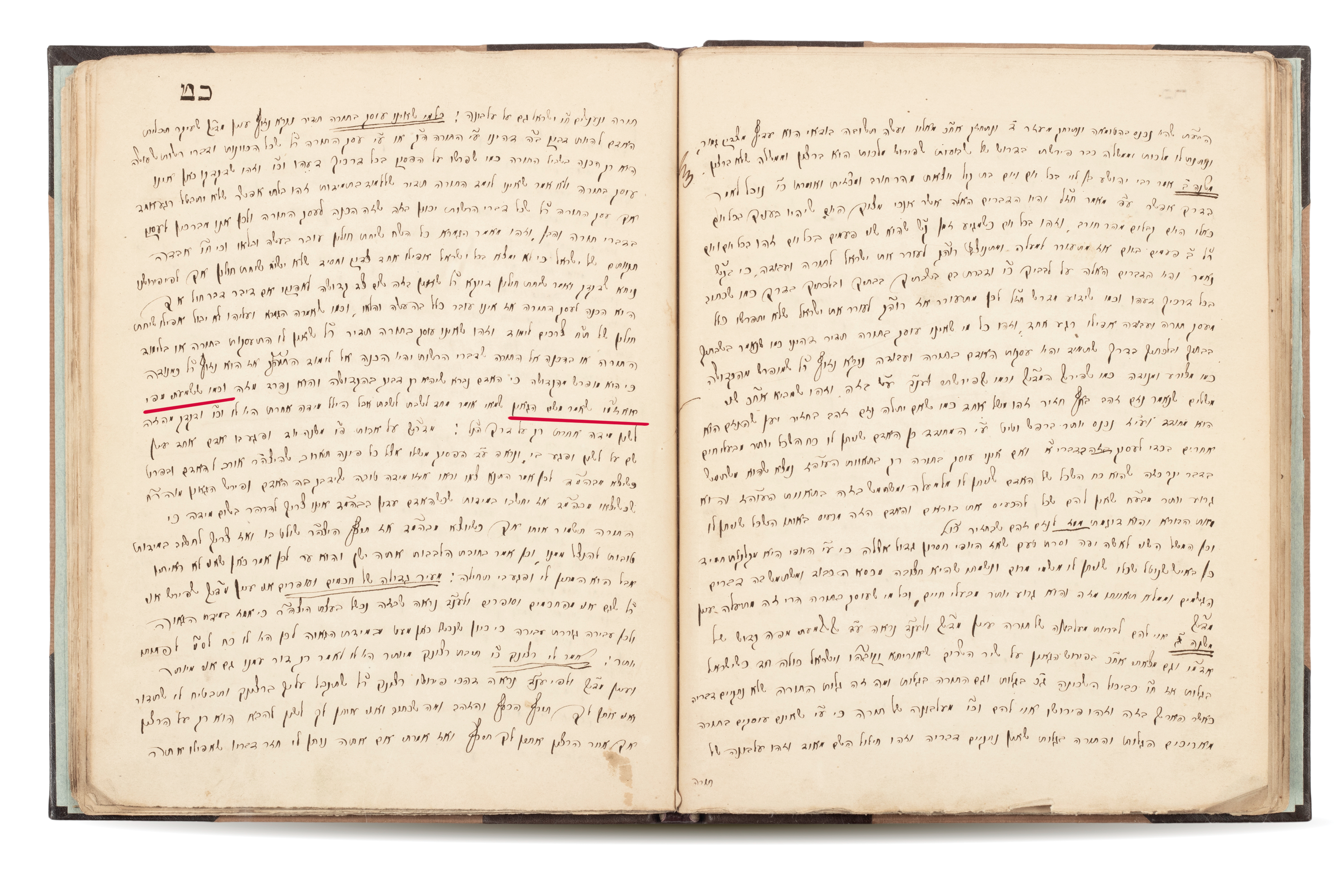
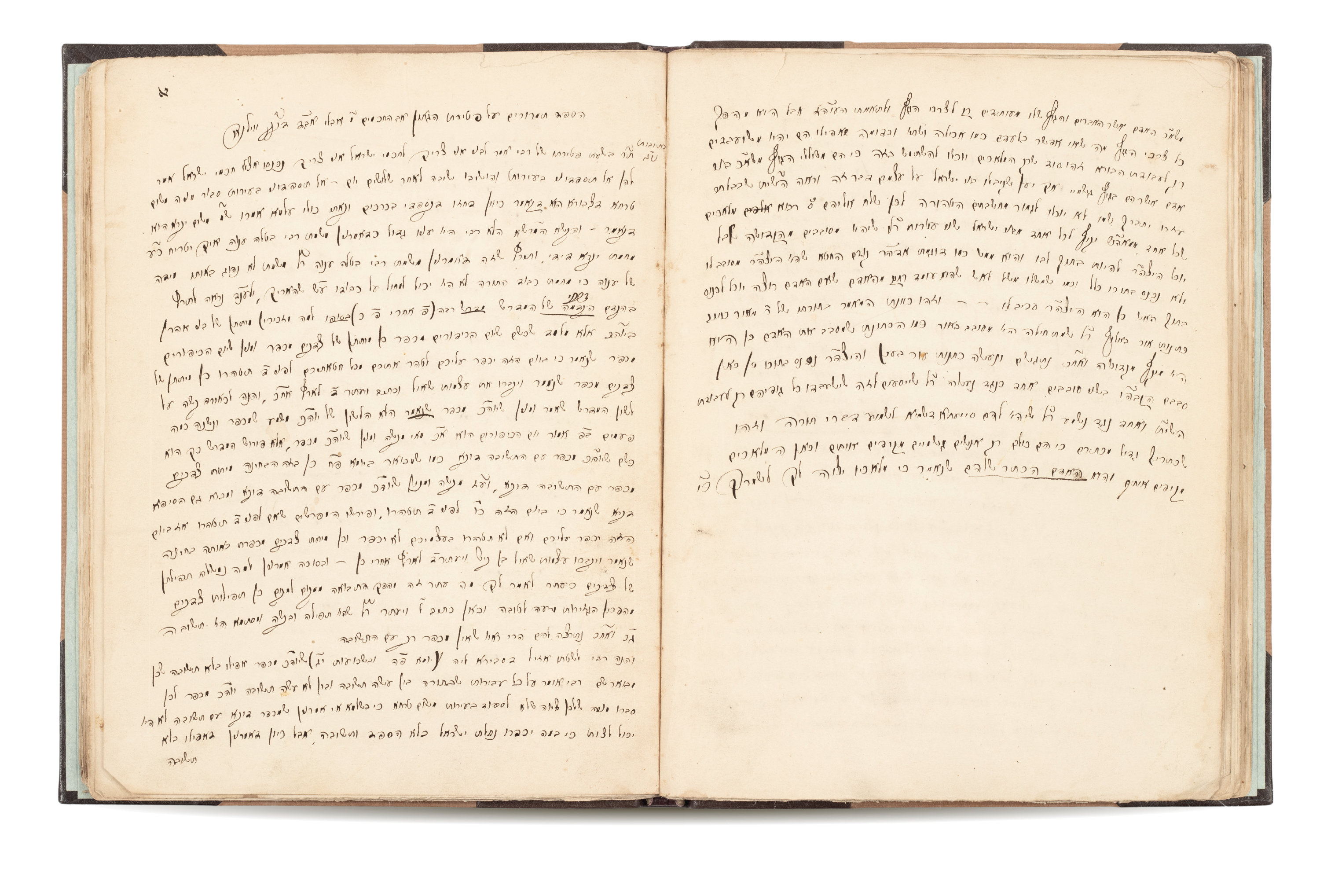
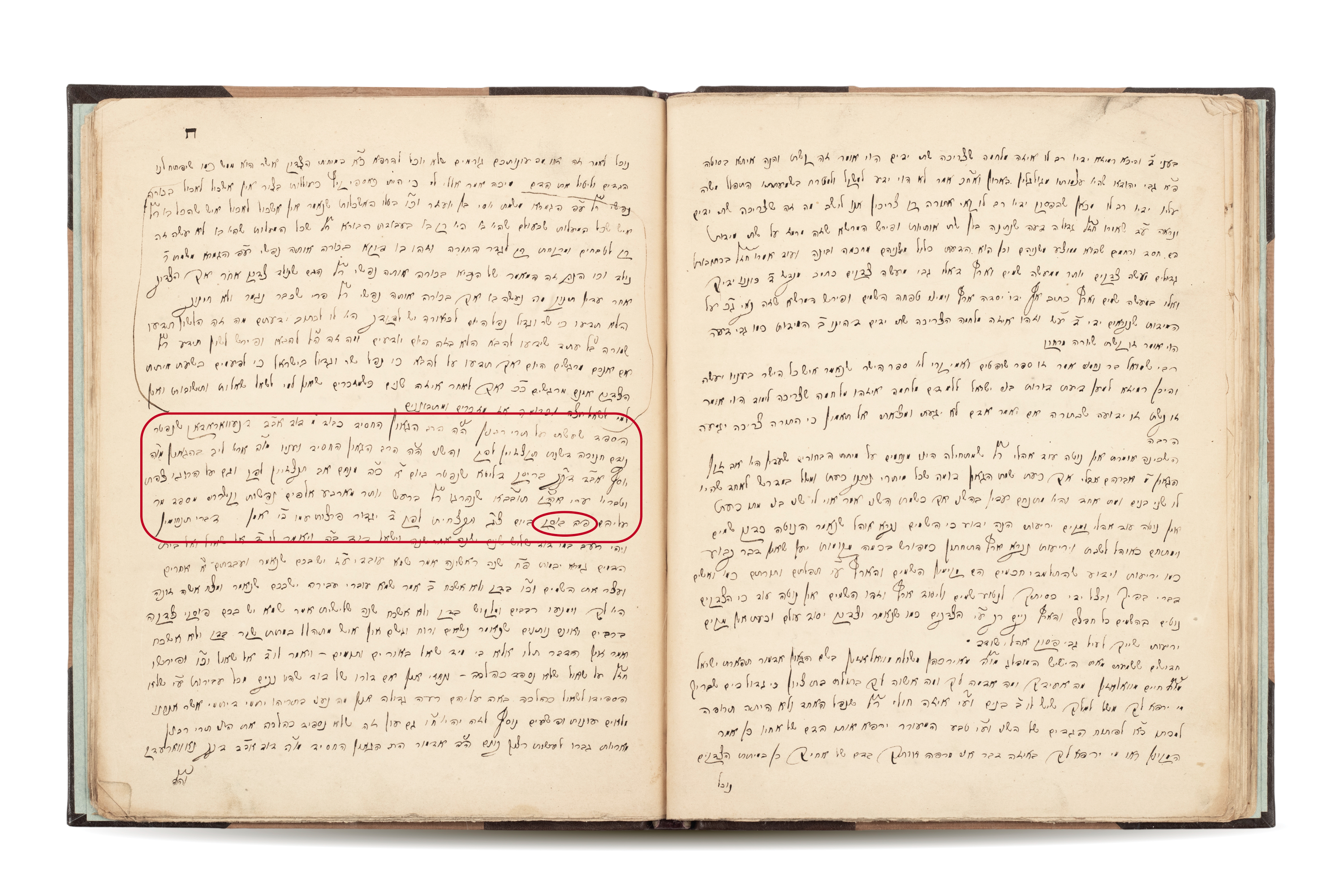
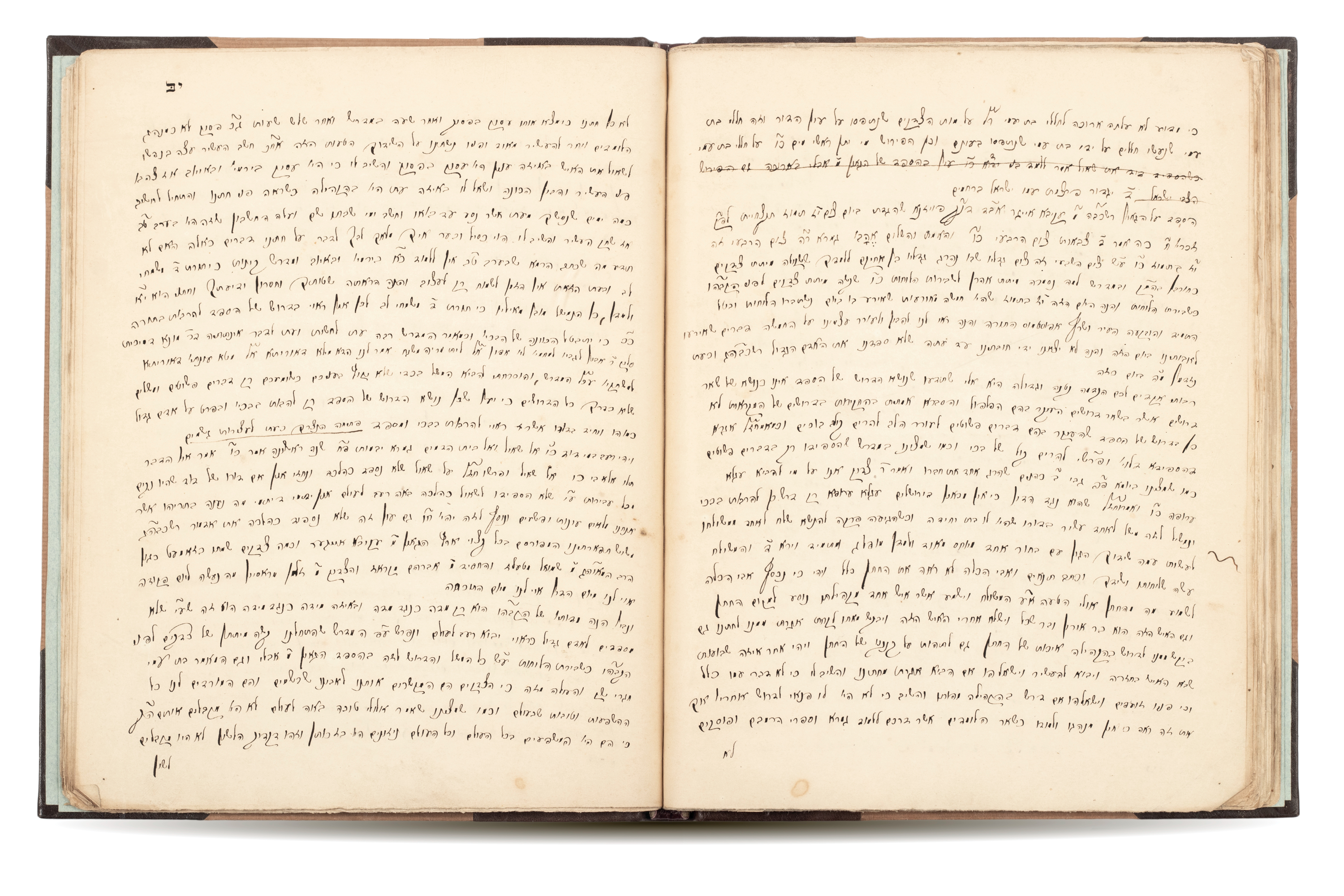
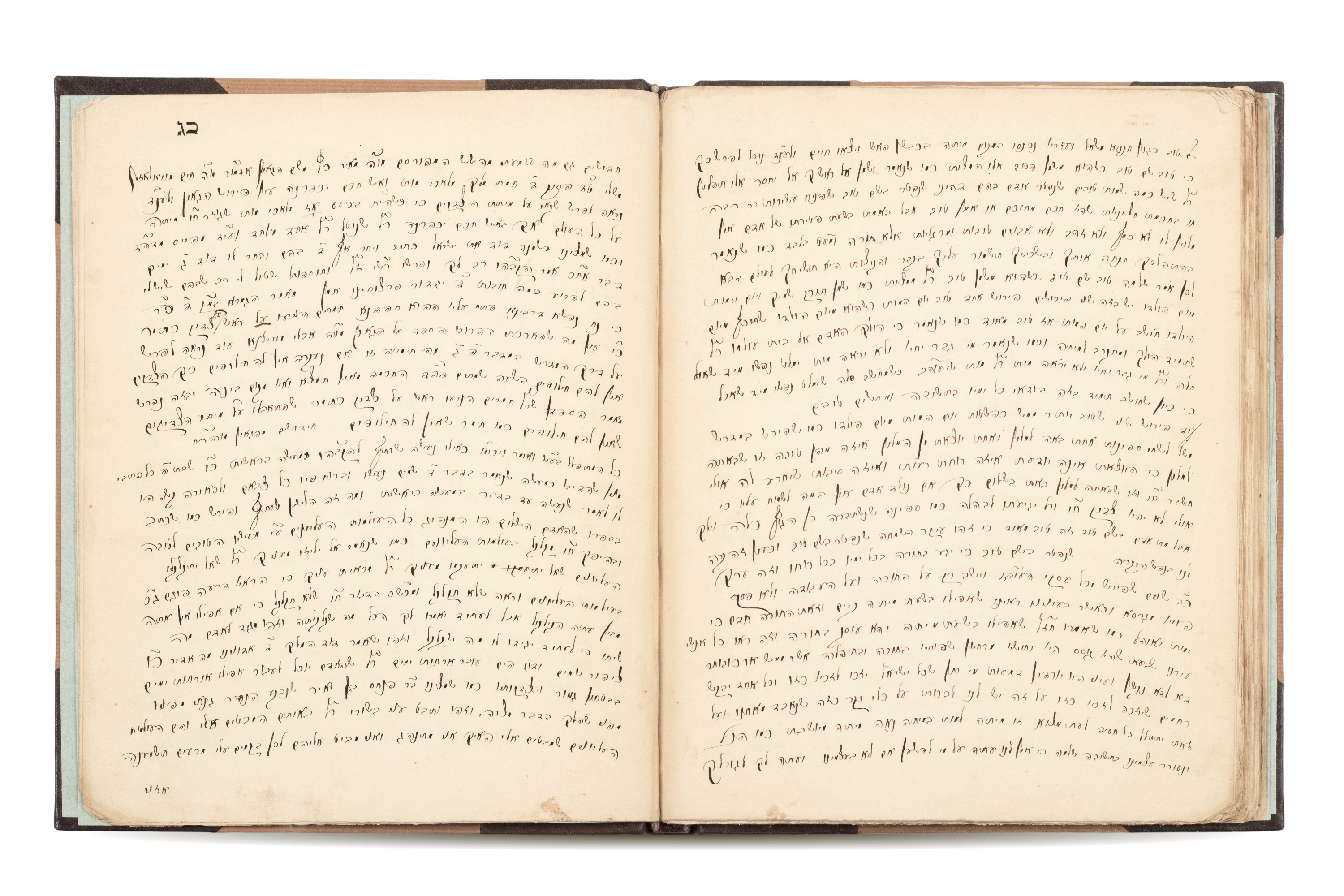
Manuscript Commentary on Maseches Avos, and Eulogies by Rabbi Yaakov Av Beis Din of Boisk
Lithuania, c. 1870s
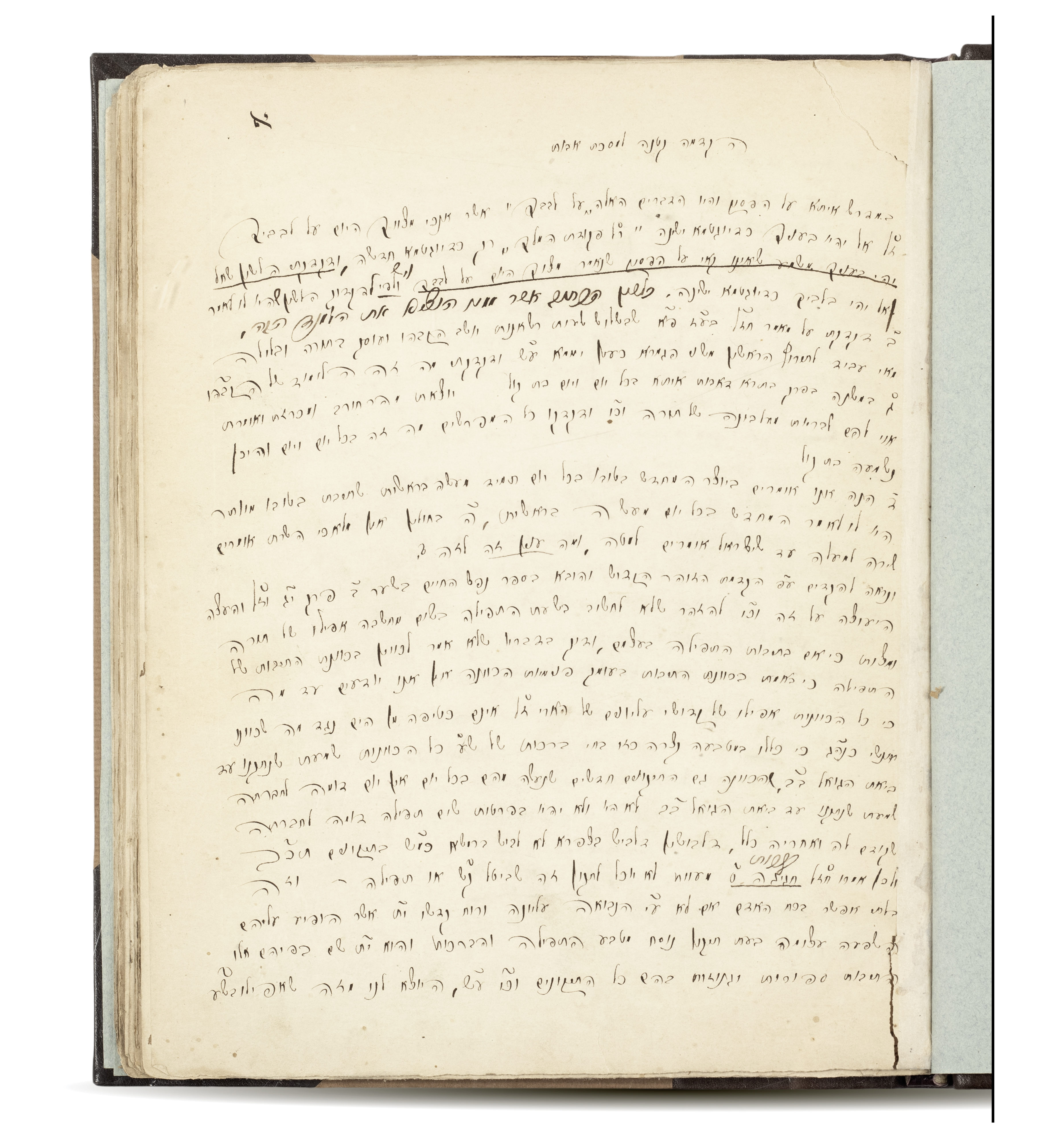
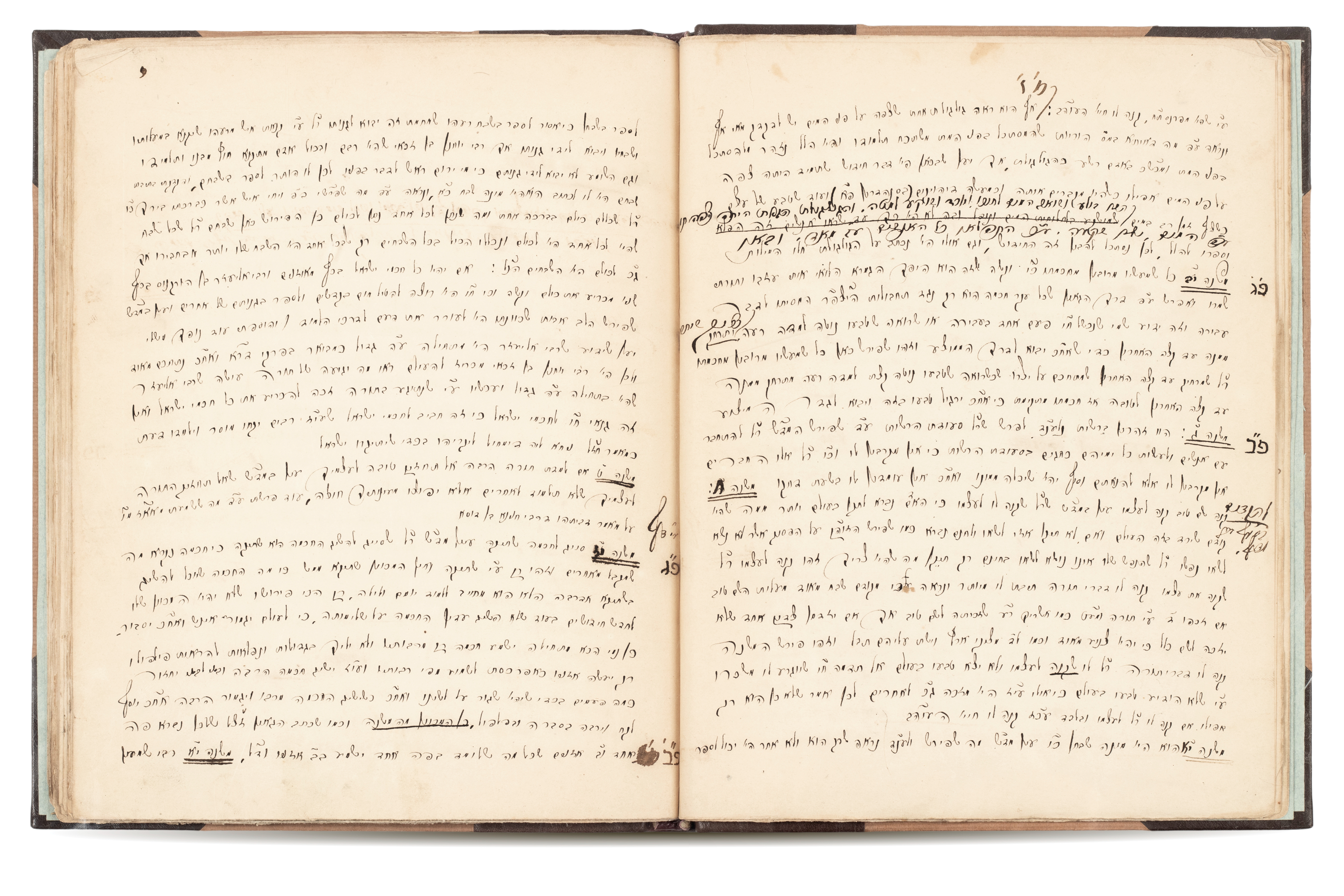
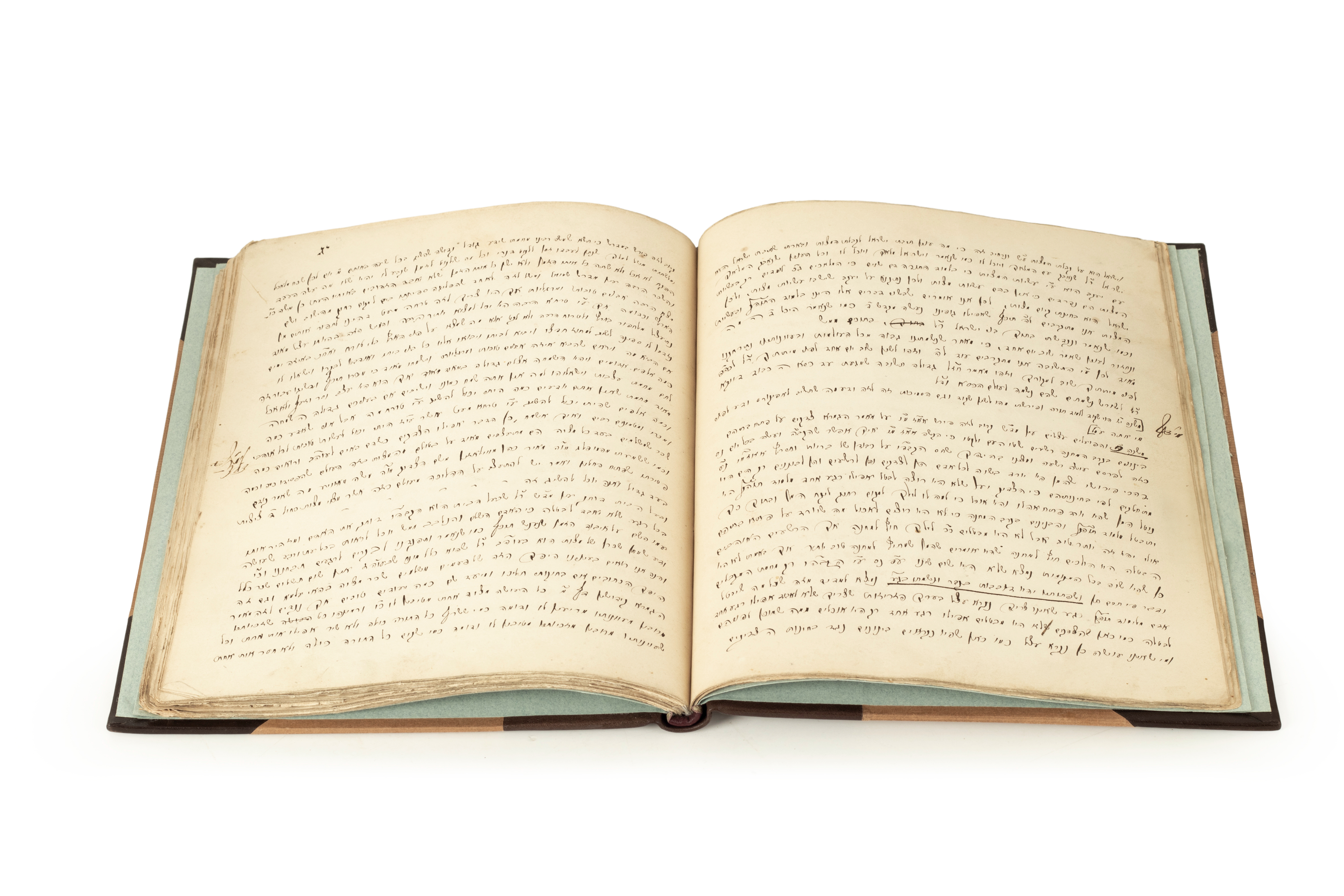
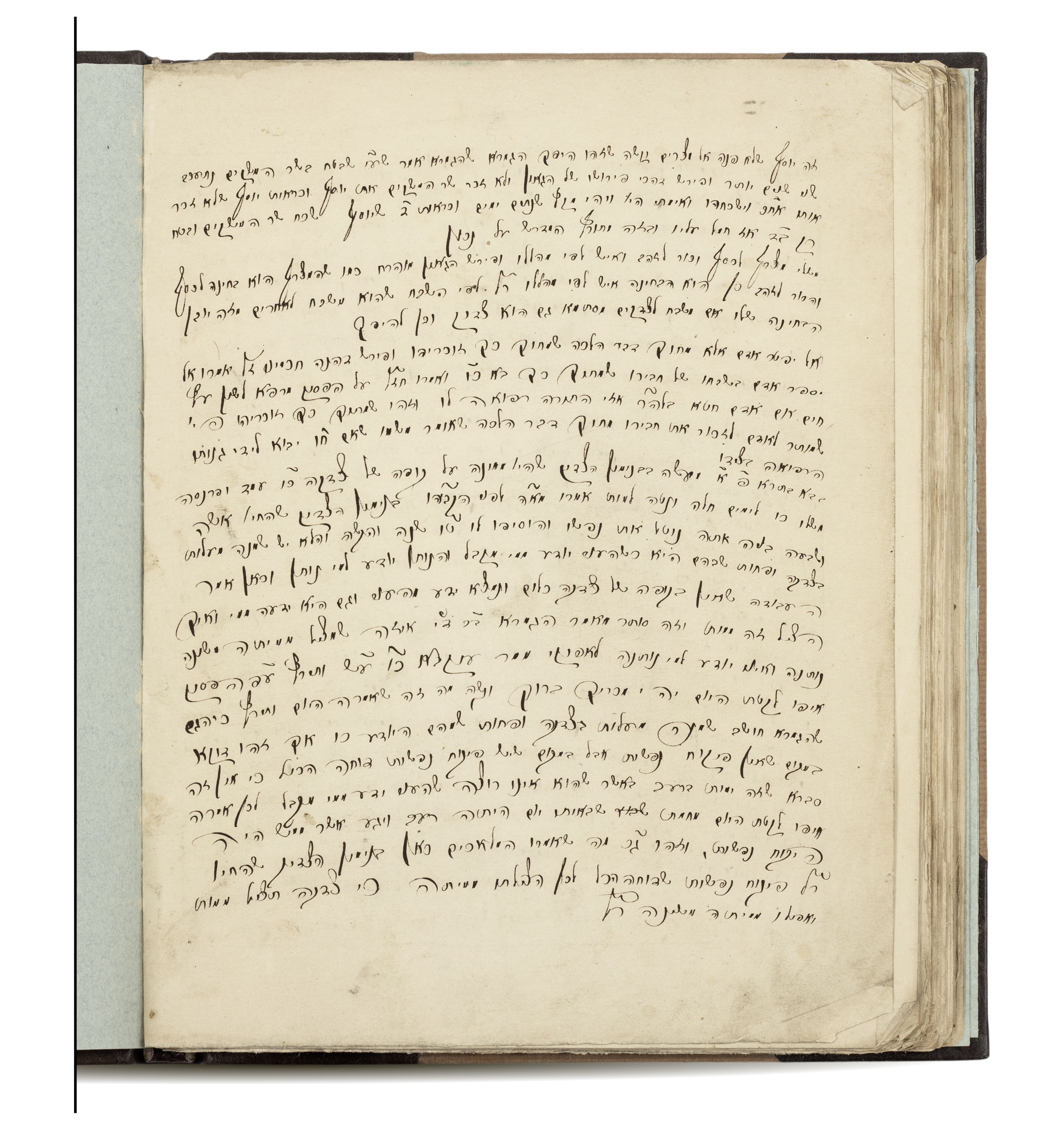
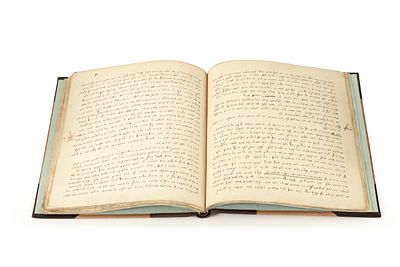
A handwritten manuscript of 112 pages, containing a copied commentary on Maseches Avos together with eulogies composed and delivered by the gaon Rabbi Yaakov Av Beis Din of Boisk, author of Zichron Yaakov, one of the great rabbanim of Latvia and Lithuania, and a close friend of the tzaddikim and geonim Rabbi Yosef Faimer Av Beis Din of Slutsk and Rabbi Eliyahu Rogoler Av Beis Din of Kalish.
The manuscript contains two parts:
The
first part is a commentary on Maseches Avos, spanning sixty pages.
The
second part contains six eulogies delivered by the author in the years 1837–1838 in his city of Boisk, comprising fifty-two pages.
Among the rabbanim for whom these eulogies were delivered are: the Gadol Hador Rabbi Akiva Eiger (thirteen pages); Rabbi Avraham Abeli of Vilna (fourteen and a half pages); a combined eulogy on the passing of Rabbi Dovid Av Beis Din of Novardok, Rabbi Aryeh Leib Katzenellenbogen Av Beis Din of Brisk, and on the four thousand Jews who perished in Eretz Yisrael in the earthquake of 1837; a eulogy for “a certain tzaddik who traveled to Eretz Yisrael and passed away there”; a eulogy for his student who died in his youth; and more.
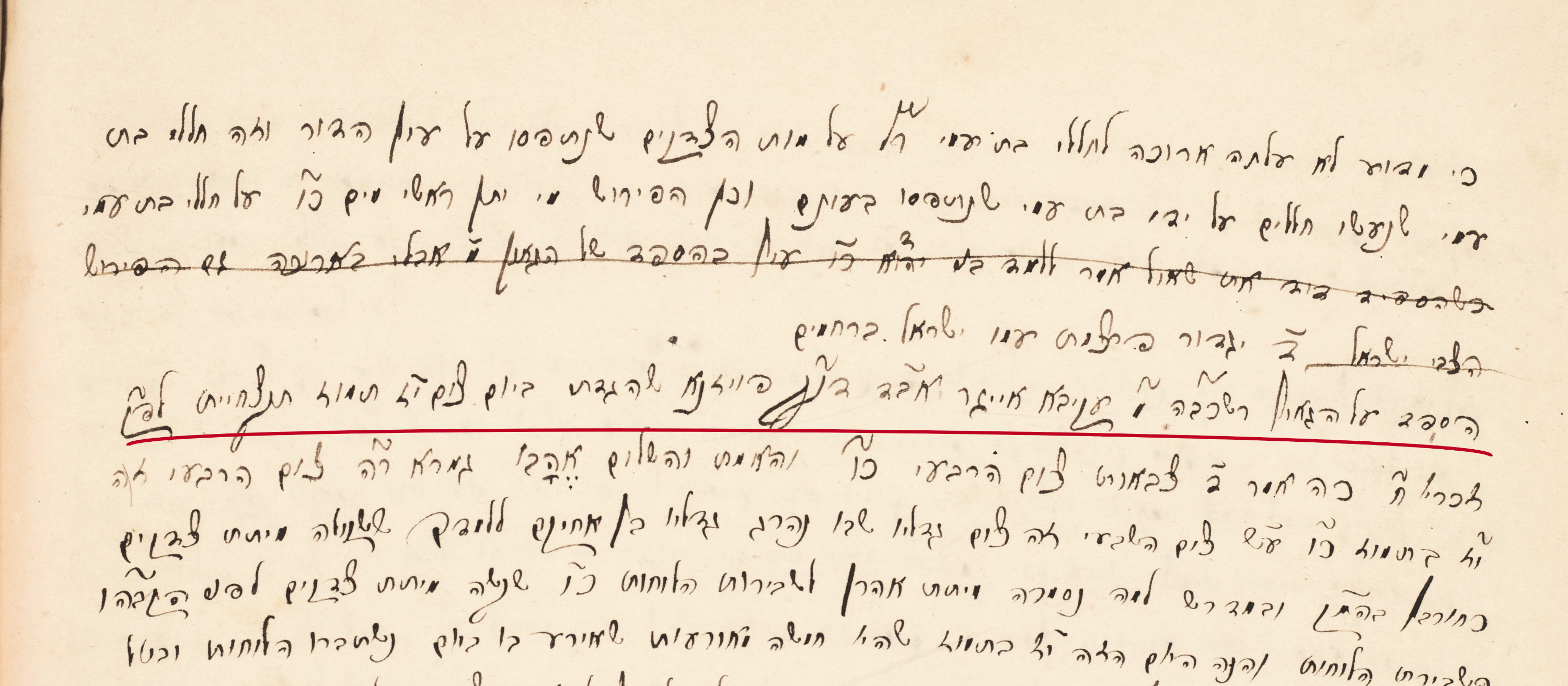
Within his words the author records, several times, teachings he personally heard from rabbanim: from his grandfather and rebbi, the holy man of G-d “Rabbi Shmuel the Chassid” of Rasein, a disciple of the Vilna Gaon — including one teaching that his grandfather transmitted in the name of the Vilna Gaon (see below); from Rabbi Meir HaKohen, the “meshulach” (fundraiser) of the Volozhin yeshiva (Part I: 13a; Part II: 7b; 23a); and from Rabbi Zalman Ma”ch (Part I: 8a). He also frequently cites Nefesh HaChaim by Rabbi Chaim of Volozhin.
To the best of Zaidy’s knowledge, this manuscript and the eulogies within it have never been published.
Rabbi Yitzchak Elchanan of Kovno referred to the author,
Rabbi Yaakov Bendtman, Av Beis Din of Boisk (c. 1791–1861), as “a Holy man of G-d.” He was one of the Torah giants of Latvia and Lithuania, “known for his righteousness, his abstinence, and his toil in Torah for its own sake, ” as expressed by his son-in-law, Rabbi Alexander Moshe Lapidot Av Beis Din of Rasein.
Orphaned young, he was raised by his saintly grandfather, Rabbi Shmuel of the famed circle of “the chassidim” of Rasein, and already in his childhood, he knew by heart the six Sidrei Mishnah and the aggados of the Gemara. For over thirty years, he served as Av Beis Din of Boisk. He was regarded as an unquestioned halachic authority, as testified by Rabbi Betzalel HaKohen of Vilna in his approbation to Zichron Yaakov.
The Author’s Will and the Blessings of the Gedolei Hador for Publishing his Works:
The author left many writings spanning all areas of Torah — halacha and drush, Kabbalah, and grammar — and requested in his will that they be printed. His grandson toiled to copy the manuscripts that had faded with age. Still, he succeeded in printing only one sefer, Zichron Yaakov (Vilna 1875), which contains his responsa, chiddushim, and the author’s will. The remainder of the writings were lost, but now, Zaidy presents a newly discovered volume (another volume surfaced in recent years).
At the beginning of Zichron Yaakov appear approbations from the Gedolei Hador, who praise the printing of the writings. Rabbi Yitzchak Elchanan Spektor writes: “The merit of the gaon and tzaddik, the author, shall protect all who assist in this precious endeavor.”
The author’s son-in-law, Rabbi A. M. Lapidot, writes: “May the One who grants reward be faithful to repay him in this world and the next. May Hashem add to his days, grant him long life and blessing, and may his descendants be, like him, blessed by Hashem…”
And: “The merit of his ancestor shall protect him wherever he turns, for were it not for him, this true Torah would have been forgotten from Klal Yisrael.”
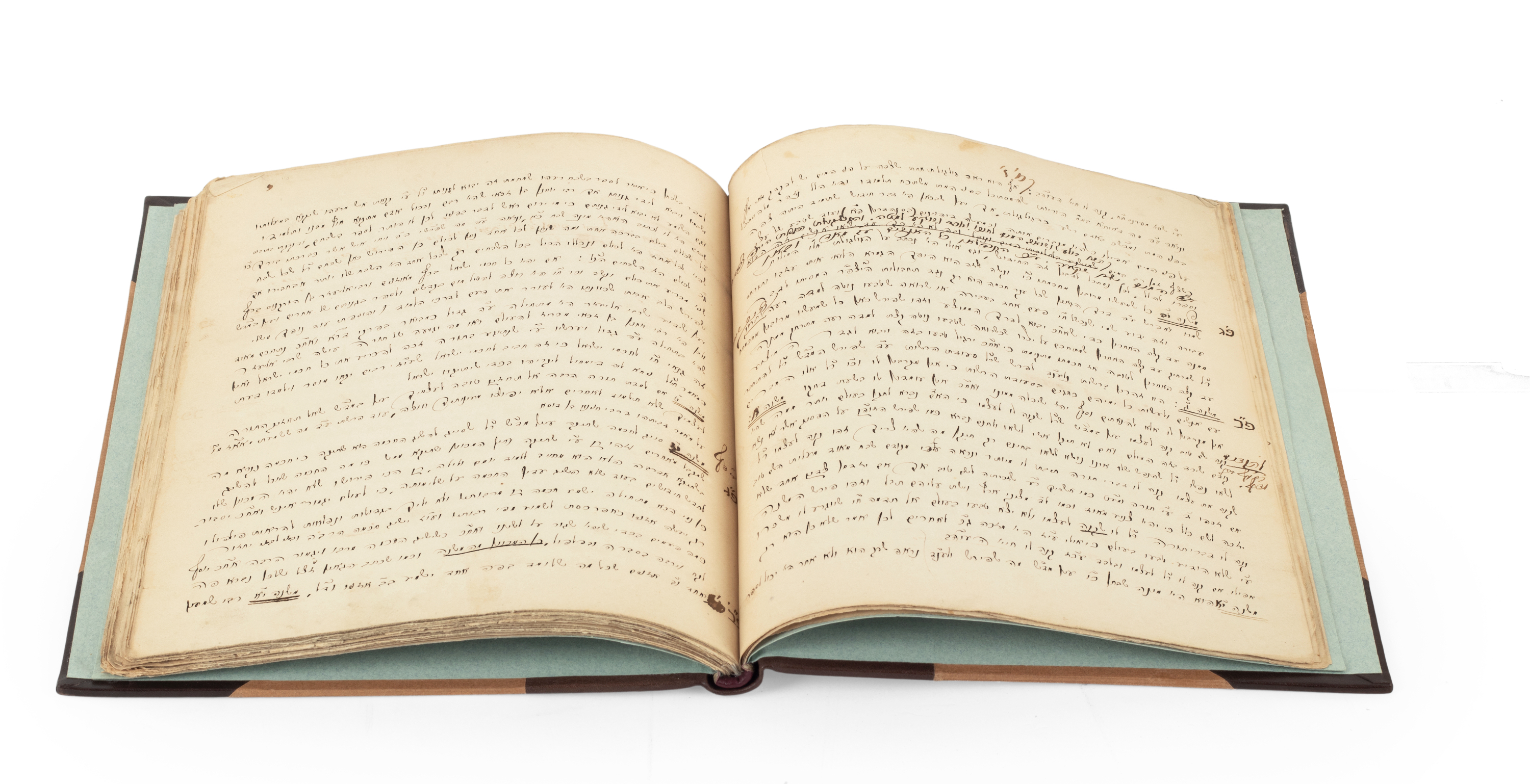
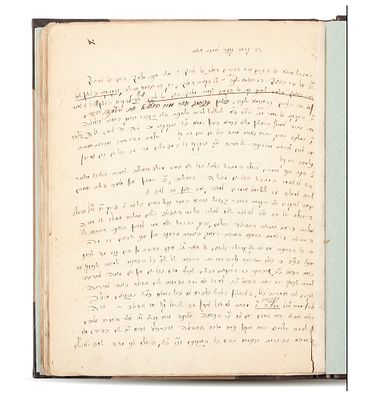
Lithuania, c. 1870s. The manuscript was likely copied by one of the author’s descendants in these years, in preparation for printing, which did not ultimately occur. In the first part, there are glosses and corrections in a different handwriting.
Original Page Count: 30; 26 leaves, totaling [112] written pages.
Size: 22.5 cm.
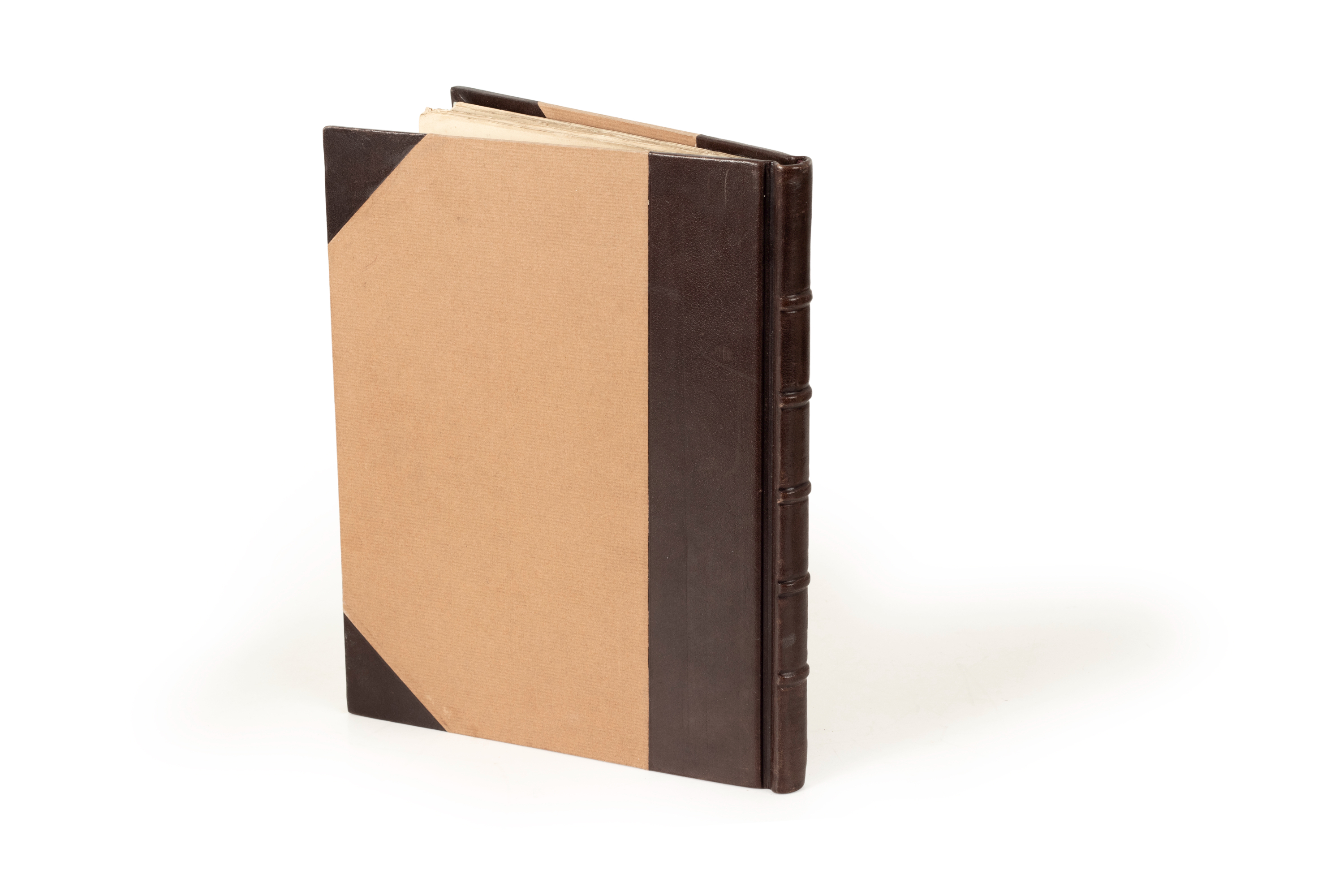
Condition: Good; a few small tears. A fine new binding.
———————————-
The Author’s Grandfather and the Circle of Chassidim in Rasein
As noted, the author was raised in his grandfather’s home, the kabbalist Rabbi Shmuel the Chassid, who was renowned for his piety and abstinence. In this manuscript, the author cites his grandfather’s teachings several times.
Rabbi Shmuel belonged to the holy group known as “the group of three chassidim of Rasein”—Rabbi Shmuel the Chassid, Rabbi Moshe the Chassid (later Av Beis Din of Telz), and Rabbi Mordechai the Chassid (later Av Beis Din of Pokroi).
This group “joined together to study in chassidus and abstinence in holiness and purity for fifteen years, separating themselves from worldly pursuits, and only the Torah of Hashem was their desire day and night, ” and “the Torah of truth was in their mouths, and the spirit of holiness rested upon them openly.”
Rabbi Shmuel would travel twice a year to the Vilna Gaon, who honored him and referred to him as “the chassid of Zamut.”
The author mentions this holy group in his eulogy for Rabbi Abeli of Vilna, citing the names of several Gedolei Hador who passed away in those years: “My master and teacher, my grandfather, and the circle of chassidim” (Part II, leaf 2b).
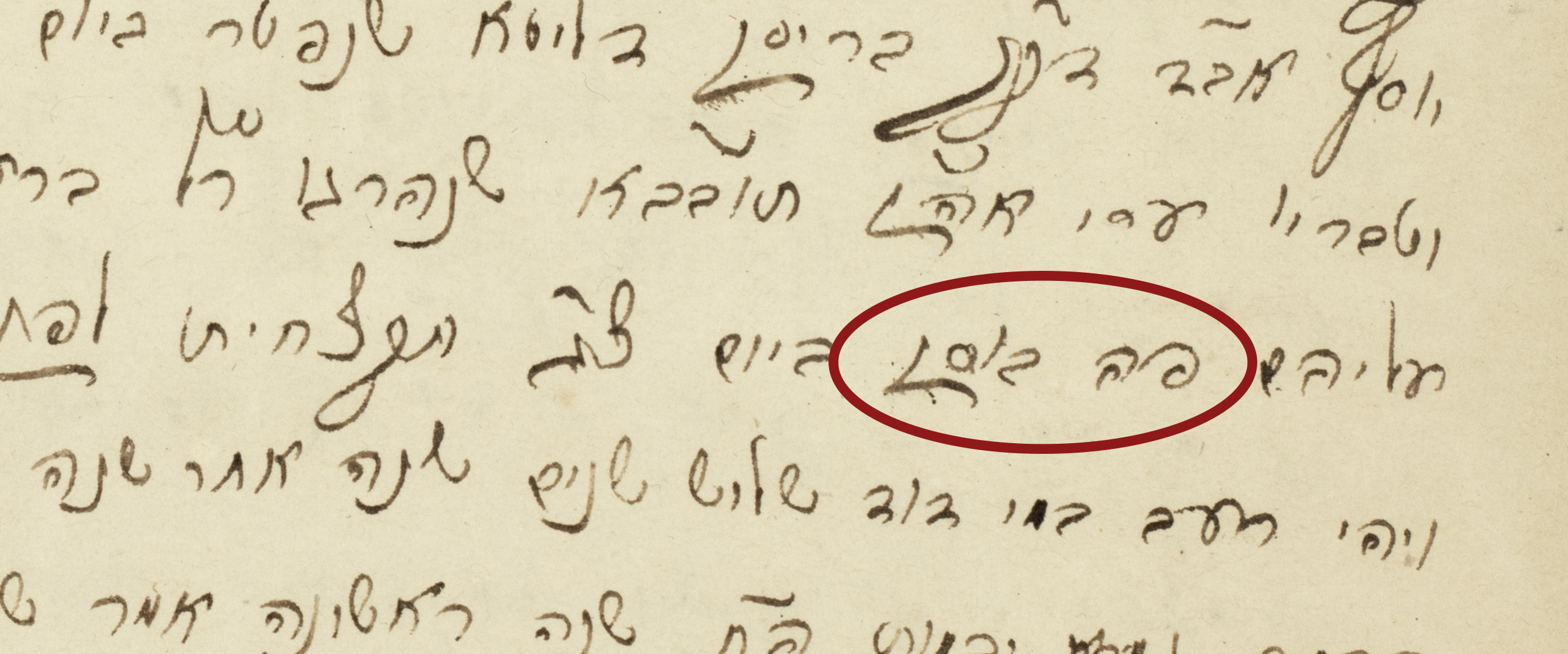
In one place, he transmits a teaching he heard from his grandfather in the name of the Vilna Gaon: “As I heard from my grandfather and teacher, who said in the name of the Gaon…” (Part I, leaf 29a).
Only a small portion of this holy group’s teachings were ever printed in Zichron Yaakov. The present manuscript preserves additional new teachings — remarkable remnants from the Torah of one of its members, Rabbi Shmuel the Chassid.